- Start Low and Go Slow
CBD for Beginners: Your Complete Getting Started Guide (2026)
Contents
Contents
If you’re new to the world of CBD for beginners, you’re not alone. Millions of people are discovering the potential wellness benefits of cannabidiol, a naturally occurring compound found in hemp plants. Unlike THC, CBD doesn’t produce a “high,” making it an attractive option for those seeking natural wellness support. According to the FDA, CBD has gained significant attention for its potential therapeutic applications, though research is still ongoing.
This comprehensive CBD for beginners guide will walk you through everything you need to know—from understanding what CBD is, to choosing the right product for your needs, to finding your optimal dosage. Whether you’re exploring CBD for relaxation, sleep support, or general wellness, we’ve got you covered with science-backed information and practical tips.
What Is CBD and How Does It Work?
CBD, short for cannabidiol, is one of over 100 cannabinoids found in the Cannabis sativa plant. It’s extracted primarily from hemp, which is legally defined as cannabis containing less than 0.3% THC. The National Center for Biotechnology Information (NCBI) reports that CBD interacts with your body’s endocannabinoid system (ECS), a complex cell-signaling network that helps regulate various functions including mood, sleep, appetite, and immune response.
Unlike THC (tetrahydrocannabinol), CBD doesn’t bind directly to cannabinoid receptors in the brain, which is why it doesn’t produce psychoactive effects. Instead, it influences the ECS indirectly, potentially helping to maintain balance and homeostasis in your body. Understanding this fundamental difference is crucial for any CBD beginner embarking on their wellness journey.
✓ Key Benefits of CBD for Beginners
- ✓ Non-psychoactive – won’t get you “high”
- ✓ May support relaxation and calm
- ✓ Potential sleep quality improvement
- ✓ Available in various convenient formats
- ✓ Legal in most countries when derived from hemp
Types of CBD Products: Finding Your Perfect Match
When starting your CBD journey, you’ll encounter three main types of CBD extracts. Understanding these distinctions, as explained by the Harvard Health Blog, will help you make informed decisions about which products are right for you.
Full-Spectrum CBD: Contains all cannabinoids naturally found in the hemp plant, including trace amounts of THC (less than 0.3%). Many users prefer full-spectrum products because of the “entourage effect”—the theory that cannabinoids work better together. If you’re curious about how different cannabinoids interact, check out our CBD entourage effect guide for a deeper dive.
Broad-Spectrum CBD: Contains multiple cannabinoids but has the THC removed. This is an excellent option for those who want potential entourage benefits without any THC exposure.
CBD Isolate: Pure CBD with no other cannabinoids. This is the most refined form and ideal for those who want only CBD, as confirmed by research from World Health Organization.
CBD Product Formats Explained
CBD comes in numerous formats, each with its own advantages. The Centers for Disease Control and Prevention (CDC) notes that absorption rates and onset times vary significantly between delivery methods. Here’s what you need to know:
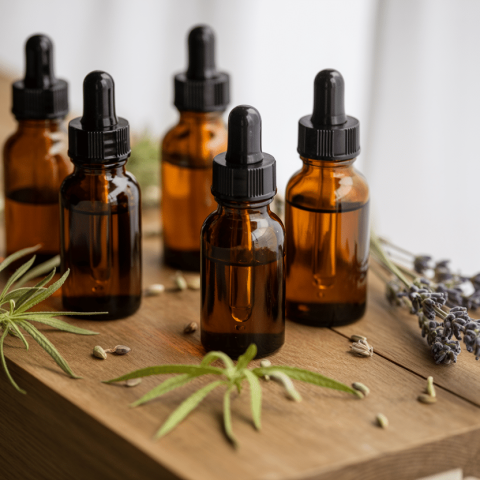
CBD Oils and Tinctures: The most popular choice for CBD for beginners. Oils are taken sublingually (under the tongue) for faster absorption. They typically take effect within 15-30 minutes and allow for precise dosing. Our complete tinctures guide covers everything you need to know about using these products effectively. Products like our CBD Oil 5% are perfect starting points for newcomers.
CBD Capsules and Softgels: Pre-measured doses make these incredibly convenient. They pass through the digestive system, so effects may take 1-2 hours but tend to last longer. The Mayo Clinic recommends this format for those who prefer a familiar supplement experience.
CBD Edibles and Gummies: A tasty way to consume CBD. While absorption is slower due to digestion, effects are often more gradual and sustained. Great for those who don’t enjoy the taste of oils.
CBD Topicals: Creams, balms, and lotions applied directly to the skin. These don’t enter the bloodstream but can provide localized support. Perfect for targeted application on muscles and joints.
💡 Pro Tip
For CBD beginners, sublingual oils offer the best combination of control, absorption speed, and value. Start with a low-strength oil like a 5% or 10% concentration and work your way up based on your experience.
How to Choose Quality CBD Products
Not all CBD products are created equal. The FDA has warned that some CBD products on the market may be mislabeled or contain contaminants. Here’s what to look for when shopping:
Third-Party Lab Testing: Reputable brands have their products tested by independent laboratories. Look for a Certificate of Analysis (COA) that confirms the CBD content and verifies the absence of harmful substances like pesticides, heavy metals, and residual solvents. Our guide on how to read cannabis lab reports can help you understand these documents.
Hemp Source: Quality CBD comes from organically grown hemp. The USDA regulates hemp production in the United States, and similar standards exist in the EU. Hemp is a bioaccumulator, meaning it absorbs substances from the soil, making organic cultivation essential.
Extraction Method: CO2 extraction is considered the gold standard, producing clean, high-quality CBD without harmful solvents. Avoid products that don’t disclose their extraction method.
Clear Labeling: Products should clearly state the amount of CBD per serving and per container, the type of CBD (full-spectrum, broad-spectrum, or isolate), and all ingredients.
CBD Dosing for Beginners: Start Low and Go Slow
One of the most common questions from CBD beginners is “How much should I take?” The truth is, there’s no one-size-fits-all answer. According to research published in Nature Scientific Reports, CBD dosing varies based on factors including body weight, metabolism, the specific condition being addressed, and individual body chemistry.
The golden rule for CBD for beginners is to “start low and go slow.” We recommend beginning with 5-10mg of CBD per day and gradually increasing over several weeks until you find what works for you. Use our CBD dosage calculator for personalized guidance based on your specific needs.
Keep a journal to track your doses and effects. Note the time you took CBD, the amount, the format, and how you felt. This information will help you optimize your regimen over time. Research from PubMed supports the importance of individualized dosing approaches.
📝 Important Note
While CBD is generally well-tolerated, it can interact with certain medications. If you’re taking prescription drugs, especially blood thinners or medications metabolized by the liver, consult your healthcare provider before starting CBD.
What to Expect When You Start Using CBD
Setting realistic expectations is key for CBD beginners. CBD is not a miracle cure, but many users report positive experiences with consistent use. The National Institutes of Health has published studies showing CBD’s potential for supporting various aspects of wellness.
First Day: You may notice subtle effects or nothing at all. This is completely normal. CBD often builds up in your system over time.
First Week: Some users report improved sleep quality or a sense of calm. Others may need more time. Continue with your starting dose and observe how your body responds.
First Month: By now, you should have a better sense of how CBD affects you. If you’re not noticing benefits, consider gradually increasing your dose or trying a different product format. Compare different CBD products, and you might also explore the differences between cannabinoids in our CBG vs CBD comparison guide.
CBD Safety and Potential Side Effects
According to the World Health Organization, CBD has a good safety profile and is generally well-tolerated. However, some people may experience mild side effects, particularly when starting or when taking higher doses.
Potential side effects may include dry mouth, drowsiness, changes in appetite, and digestive discomfort. These are typically mild and often resolve as your body adjusts. Research published in ScienceDirect confirms that adverse effects are generally dose-dependent and reversible.
Starting with a low dose and increasing gradually minimizes the risk of side effects. If you experience any concerning symptoms, reduce your dose or discontinue use and consult a healthcare professional.
⚠️ Warning
CBD is not recommended for pregnant or breastfeeding women. Always keep CBD products away from children. If you have liver issues or are taking medications that affect liver function, consult your doctor before using CBD.
Legal Status of CBD
The legal landscape for CBD varies by country and region. In the United States, the 2018 Farm Bill legalized hemp-derived CBD containing less than 0.3% THC at the federal level. However, individual states may have additional regulations.
In the European Union, CBD products are legal if they contain less than 0.2% THC (0.3% in some countries). The European Commission has clarified that CBD is not a narcotic substance when derived from authorized hemp varieties.
Always research the specific laws in your area before purchasing or traveling with CBD products. Regulations can change, and it’s important to stay informed.
Getting Started: Your CBD Beginner Checklist
Ready to begin your CBD journey? Here’s a quick checklist to ensure you start on the right foot:
1. Define Your Goals: Why do you want to try CBD? Having clear intentions will help you choose the right product and track your progress.
2. Research Products: Look for reputable brands with third-party lab testing. Read reviews and check for quality certifications.
3. Start with a Low-Strength Oil: A 10% CBD oil or 5% broad-spectrum option is ideal for beginners.
4. Establish a Routine: Consistency is key. Take your CBD at the same time each day for best results.
5. Keep a Journal: Track your doses, timing, and effects to optimize your regimen.
6. Be Patient: Give CBD at least 2-4 weeks before evaluating its effectiveness.
Frequently Asked Questions
Will CBD get me high?
No, CBD is non-psychoactive and will not produce a “high.” THC is the cannabinoid responsible for intoxicating effects. Legal CBD products contain less than 0.3% THC, which is not enough to cause psychoactive effects.
How long does it take for CBD to work?
This depends on the consumption method. Sublingual oils typically take 15-30 minutes, while edibles may take 1-2 hours. Topicals work locally within minutes. For overall wellness benefits, most users need 2-4 weeks of consistent use.
Can I take CBD with other medications?
CBD can interact with certain medications, particularly those metabolized by liver enzymes. If you’re taking prescription medications, consult your healthcare provider before starting CBD.
What’s the best time of day to take CBD?
This depends on your goals. For sleep support, taking CBD 30-60 minutes before bed is common. For general wellness, morning or evening doses work well. Some people split their dose between morning and evening for consistent effects throughout the day.
Is CBD addictive?
No, CBD is not addictive. The World Health Organization has stated that CBD does not exhibit effects indicative of abuse or dependence potential. You can stop taking CBD at any time without experiencing withdrawal symptoms.
Will CBD show up on a drug test?
Most drug tests screen for THC, not CBD. However, full-spectrum CBD products contain trace amounts of THC, which could potentially accumulate with heavy use. If drug testing is a concern, opt for broad-spectrum or CBD isolate products.
Starting your CBD journey doesn’t have to be overwhelming. With the right information and quality products, you can explore the potential benefits of cannabidiol safely and effectively. Remember to start with a low dose, choose reputable products, and be patient as you discover what works best for your unique needs. Welcome to the world of CBD for beginners—your path to natural wellness starts here.
Recent Visitors: 404