Why indica strains work for sleep
If you’ve ever spent an hour staring at the ceiling at 2 AM, you already know how miserable insomnia can be. About one in three adults doesn’t get enough sleep, according to the CDC. And while there are dozens of sleep aids on the market, more people are turning to indica strains for sleep as a natural alternative to pharmaceuticals.
What makes indica strains different from sativas when it comes to sleep? It mostly comes down to terpenes and cannabinoid ratios. Indica-dominant strains tend to be higher in myrcene, a terpene with sedative properties. They also typically produce more body-heavy effects that make your limbs feel like they’re sinking into the mattress. Sativas, on the other hand, lean cerebral and energizing, which is the opposite of what you want at bedtime.
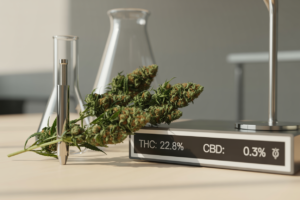
The endocannabinoid system plays a direct role in regulating your sleep-wake cycle. THC binds to CB1 receptors in the brain, which can reduce the time it takes to fall asleep. CBD, meanwhile, may help with anxiety that keeps you awake. When you combine the right cannabinoids with sedative terpenes like linalool and caryophyllene, you get a strain that genuinely helps you wind down.
📺 Video Guide
The 7 best indica strains for sleep in 2026
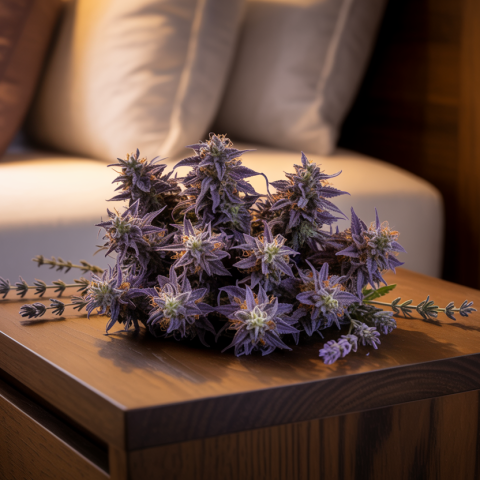
1. Granddaddy Purple
There’s a reason Granddaddy Purple shows up on every sleep strain list. This cross between Purple Urkle and Big Bud has been a go-to insomnia fighter since the early 2000s. The THC content sits around 17-23%, and it’s loaded with myrcene, which is the terpene most associated with that heavy, drowsy feeling.
The effects hit in two waves. First, there’s a cerebral calm that quiets racing thoughts. Then the body high rolls in, and that’s usually when you realize you should have already been in bed. The grape and berry flavor profile is a nice bonus. If you’ve struggled with stress-related sleep problems, GDP is probably the single best place to start.
2. Northern Lights
Northern Lights might be the most famous sleep strain ever bred. It’s a pure indica that traces back to Afghani and Thai landrace genetics, and it’s been putting people to sleep since the 1980s. Leafly consistently ranks it among the top strains for insomnia.
What I like about Northern Lights is how clean the sedation feels. Some heavy indicas leave you groggy the next morning, but NL tends to produce a smooth slide into sleep without that hungover feeling at sunrise. THC runs 16-21%, and the terpene profile features myrcene, caryophyllene, and a touch of pinene. The sweet, spicy aroma is recognizable from across the room.
3. Purple Hindu Kush
Purple Hindu Kush is a pure indica that combines Hindu Kush with Purple Afghani. It’s one of the more sedating strains on this list, which makes it better suited for people with severe insomnia rather than occasional trouble falling asleep.
THC levels hover around 19-22%, and the terpene profile is heavy on myrcene and linalool (the same terpene found in lavender, which has its own documented sedative effects). The earthy, grape-like flavor makes it pleasant to use in the evening. Just don’t plan on being productive afterward.
4. Bubba Kush
Bubba Kush has been a staple indica since the mid-1990s. The genetics are somewhat mysterious, but most agree it descends from OG Kush crossed with an unknown indica. What’s not debatable is the effect: heavy, full-body relaxation that builds over 20-30 minutes until you’re firmly planted on the couch.
With THC at 15-22% and high levels of caryophyllene and limonene, Bubba Kush offers both physical sedation and mild mood elevation. The anti-inflammatory properties of caryophyllene also make this a good choice if pain is what’s keeping you up at night. The coffee and chocolate flavor notes don’t hurt either.
5. Hindu Kush
Hindu Kush is a landrace strain from the mountain range between Pakistan and Afghanistan. It hasn’t been hybridized or crossbred. What you’re getting is pure indica genetics that have been naturally selected for sedation over thousands of years.
THC content is around 17-20%, which is moderate by 2026 standards. But the entourage effect from its natural terpene profile makes it hit harder than the numbers suggest. The earthy, sandalwood aroma is calming on its own. If you’re someone who prefers a more traditional cannabis experience without modern hybridization, Hindu Kush is worth trying. It pairs well with a meditation practice before bed.
6. 9 Pound Hammer
The name tells you everything. 9 Pound Hammer is a cross between Gooberry, Hells OG, and Jack the Ripper, and it hits with the subtlety of, well, a 9-pound hammer. THC levels range from 18-25%, and the indica dominance (80/20) means the body effects are front and center.
This strain is particularly good for people who deal with chronic pain alongside insomnia. The combination of high myrcene and caryophyllene creates deep physical relaxation, while the moderate limonene adds a slight mood lift that prevents the sedation from feeling oppressive. Grape and lime flavors make it easy to consume. Use this one when lighter indicas aren’t getting the job done.
7. Tahoe OG Kush
Tahoe OG is an indica-leaning phenotype of OG Kush that originated around Lake Tahoe. It’s become one of the most sought-after nighttime strains in dispensaries across the U.S. and increasingly in European markets where cannabis regulation is evolving.
THC runs 20-25%, and the effects are fast. Most users report feeling the sedation within 10-15 minutes of consumption. The lemony, earthy flavor comes from a terpene profile heavy in limonene and myrcene. Tahoe OG works best when consumed about an hour before you want to sleep, giving the initial cerebral buzz time to mellow into full-body relaxation.
✓ Quick comparison
- ✓ Mildest: Northern Lights (clean sedation, no morning fog)
- ✓ Strongest: 9 Pound Hammer (for severe insomnia and pain)
- ✓ Most balanced: Bubba Kush (sedation + mood lift)
- ✓ Best for beginners: Hindu Kush (moderate THC, predictable)
- ✓ Fastest onset: Tahoe OG Kush (10-15 minutes)
How to use indica strains for better sleep
Picking the right strain is only half the equation. How you consume it and when matters just as much.
Timing: Smoke or vape your indica 30-60 minutes before bed. This gives the peak effects time to align with when you’re actually trying to sleep. Edibles need more lead time, usually 90-120 minutes, so plan accordingly. If you’re using tinctures, sublingual absorption takes about 15-30 minutes.
Dosage: Less is more. Research from the Journal of Clinical Pharmacology suggests that low to moderate doses of THC (5-15mg) improve sleep quality, but higher doses can actually disrupt sleep architecture, particularly REM sleep. If you’re new to cannabis, start with 2.5-5mg THC and work up from there. A dosage calculator can help you find the right amount.
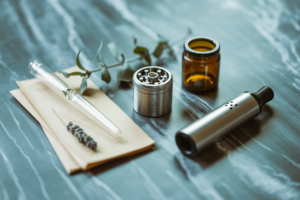
Consumption method: Vaping provides the fastest onset and is easier to dose than smoking. Edibles last longer (6-8 hours vs. 2-3 for inhalation), which can be helpful if you tend to wake up at 3 AM. The FDA has not evaluated cannabis for sleep, so dosing is based on clinical studies and personal experimentation.
💡 Pro Tip
Try combining a THC-dominant indica with a small amount of CBD (a 2:1 or 3:1 THC:CBD ratio). The CBD can reduce THC-related anxiety while adding its own calming effects. Some users also add CBN, a cannabinoid specifically linked to drowsiness, for an even stronger sleep effect.
The role of terpenes in cannabis sleep strains
THC and CBD get most of the attention, but terpenes are what separate a good sleep strain from a great one. Here are the three terpenes you should look for on lab results:
Myrcene is the most common cannabis terpene and the one most associated with sedation. A 2021 study published in Frontiers in Nutrition confirmed that myrcene has muscle-relaxant and sedative properties. It’s also found in mangoes, hops, and lemongrass. When a budtender says a strain has “couch lock” potential, myrcene is usually why.
Linalool is the primary terpene in lavender, and it appears in several indica strains. Research published in the Journal of the International Association for the Study of Pain showed that linalool produces anti-anxiety and sedative effects through GABAergic modulation. Strains high in linalool often have floral or lavender notes.
Caryophyllene is unique because it’s both a terpene and a cannabinoid. It binds directly to CB2 receptors, producing anti-inflammatory effects that can help with pain-related insomnia. You’ll recognize it by its peppery, spicy aroma. Black pepper, cloves, and cinnamon all contain caryophyllene.
📝 Important note
Terpene content varies between harvests, even within the same strain. Always check lab results when buying from a dispensary. A “Northern Lights” from one grower might have a completely different terpene profile than the same strain from another grower. The label matters less than the lab report.
Common mistakes when using cannabis for sleep
Taking too much. Higher doses of THC can actually increase sleep latency (the time it takes to fall asleep) and reduce REM sleep. A 2022 meta-analysis in Sleep Medicine Reviews found that while low-dose THC reduced time to fall asleep, higher doses had inconsistent effects. More isn’t better here.
Using sativa-dominant strains by mistake. This sounds obvious, but it happens more often than you’d think. Strain names can be misleading, and some hybrids labeled as “indica” have sativa-like terpene profiles. Check the actual cannabinoid and terpene content rather than relying on the indica/sativa classification alone.
Developing tolerance. Daily cannabis use for sleep can lead to tolerance, meaning you need more to get the same effect. Consider taking regular tolerance breaks (2-3 days per week) or rotating between different strains. This keeps your endocannabinoid receptors sensitive and prevents the dose from creeping upward over time.
Ignoring sleep hygiene. Cannabis works best as part of a broader sleep routine, not as a replacement for one. Keep your bedroom dark and cool, avoid screens for 30 minutes before bed, and try to go to sleep at the same time each night. The Sleep Foundation has a solid guide to building better sleep habits that work alongside cannabis use.
⚠️ Warning
Cannabis can interact with sleep medications, including benzodiazepines and Z-drugs (zolpidem, zaleplon). If you’re currently taking prescription sleep aids, talk to your doctor before adding cannabis to your routine. Combining sedatives without medical guidance can be dangerous.
CBD vs THC for sleep: which works better?
This question comes up constantly, and the honest answer is that it depends on why you can’t sleep.
If your insomnia is driven by anxiety or an overactive mind, CBD oil might be enough. A 2019 study in The Permanente Journal found that 66.7% of patients reported improved sleep scores within the first month of CBD use. CBD doesn’t make you drowsy directly, but by reducing anxiety, it removes one of the main barriers to falling asleep.
If your insomnia is more physical, like pain, restless legs, or general restlessness, THC-dominant indica strains are probably more effective. THC has direct sedative properties at low doses and provides the muscle relaxation that CBD can’t match.
The best approach for most people is a combination. Products that blend THC, CBD, and CBN together seem to outperform any single cannabinoid for sleep. CBN is a minor cannabinoid that forms as THC ages, and early research from NCBI suggests it has mild sedative properties, though the evidence is still limited.
Frequently Asked Questions
What is the strongest indica strain for sleep?
9 Pound Hammer and Purple Hindu Kush are among the most sedating strains available. Both have high myrcene content and THC levels above 20%. For severe insomnia, these are generally more effective than lighter indicas like Northern Lights.
Can I use indica strains for sleep every night?
You can, but tolerance builds over time. Most sleep specialists who work with cannabis recommend using it 4-5 nights per week and taking 2-3 nights off to keep your tolerance in check. Rotating between different strains also helps.
Do indica strains reduce REM sleep?
THC can reduce the time spent in REM sleep, which is when most dreaming occurs. At low doses, this effect is minimal. At higher doses, REM suppression is more noticeable. If vivid dreams or REM sleep are important to you, stick with lower doses and consider adding CBD to the mix.
Is it better to smoke, vape, or eat edibles for sleep?
Each method has trade-offs. Vaping offers fast onset (5-10 minutes) and easy dose control. Edibles take longer to kick in (60-120 minutes) but last through the night, making them better for people who wake up frequently. Tinctures are a middle ground with 15-30 minute onset when taken sublingually.
How much THC should I take for sleep?
Start with 2.5-5mg if you’re new to cannabis. Experienced users typically find 5-15mg effective for sleep. Going above 20mg can backfire and make it harder to fall asleep or reduce sleep quality. The sweet spot is different for everyone, so start low and adjust gradually.