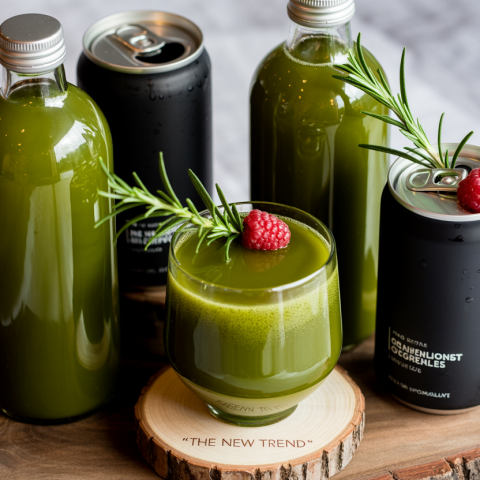
- Sip the Future
Cannabis-Infused Beverages: Why Drinks Are the Hottest Trend
Contents
Contents
Cannabis-infused beverages are reshaping how people think about both cannabis and social drinking. From THC-infused seltzers to CBD-infused teas, these products are carving out a growing share of the global cannabis drinks market, projected to reach $2.8 billion by 2035. Whether you’re curious about trying your first cannabis drink or want to understand why this category is booming, here’s what you need to know.
📺 Video Guide
What are cannabis-infused beverages?
Cannabis-infused beverages are drinks that contain cannabinoids like THC, CBD, CBG, or CBN. They come in many forms: sparkling waters, seltzers, teas, coffees, lemonades, sodas, and even non-alcoholic cocktail alternatives. Unlike traditional edibles like brownies or gummies, these drinks use nanoemulsion technology to break cannabinoids into tiny particles that your body absorbs faster.
The result? Effects typically kick in within 5 to 15 minutes, compared to the 60 to 90 minutes most edibles require. This faster onset makes cannabis beverages feel more like having a glass of wine or a beer, where you can gauge how you feel and decide whether to have another.
Most cannabis drinks on the market contain between 2.5 mg and 10 mg of THC per serving, though some products go higher. Low-dose options (2.5 to 5 mg) have become popular with newcomers and people who want a mild, social buzz without getting too high.
Why cannabis drinks are gaining popularity
Several forces are driving the cannabis beverage boom. The most obvious: more people are drinking less alcohol. According to research from Carnegie Mellon University, 2022 was the first year daily cannabis use outpaced daily alcohol consumption in the United States. Gen Z is drinking less alcohol than any previous generation, and the “sober-curious” movement has gone mainstream.
Cannabis beverages fit neatly into this cultural shift. They offer a social drinking experience without the calories, hangover, or health risks associated with alcohol. A typical THC seltzer has about 10 to 30 calories per can, compared to 150 or more in a craft beer.
There’s also a practical appeal. Cannabis drinks provide precise, consistent dosing. Each can or bottle tells you exactly how many milligrams of THC or CBD you’re consuming. That predictability appeals to people who find smoking or vaping unpredictable, or who simply prefer not to inhale anything.
✓ Benefits of cannabis-infused beverages
- ✓ Faster onset (5-15 minutes) compared to traditional edibles
- ✓ Precise dosing printed on every container
- ✓ Low calorie compared to alcohol
- ✓ No hangover or liver damage risk
- ✓ Smoke-free and discreet consumption
- ✓ Wide range of flavors and cannabinoid options
Types of cannabis beverages available in 2026
The variety of cannabis-infused beverages has exploded over the past two years. Here are the main categories you’ll find on dispensary shelves and, increasingly, in mainstream retail stores.
THC seltzers and sparkling waters are the biggest sellers in the category. Brands like LOKI, Cann, and Wynk produce flavored sparkling waters with 2.5 to 5 mg of THC per can. These are the entry point for most consumers, designed for casual social settings.
CBD teas and coffees cater to the wellness crowd. These products combine the calming properties of CBD with familiar warm drinks. They’re popular as morning or evening rituals, and brands often add functional ingredients like ashwagandha or lion’s mane for extra benefits.
Cannabis-infused craft sodas recreate classic flavors like root beer, cola, and ginger ale with added cannabinoids. Keef Brands is one of the leaders here, with a lineup that feels closer to a soft drink than a cannabis product.
Non-alcoholic cannabis cocktails are the premium end of the market. Brands like Artet produce spirit alternatives infused with THC, designed for mixing or sipping straight. These products target the growing non-alcoholic cocktail scene in bars and restaurants.
Functional cannabis drinks blend cannabinoids with other active ingredients. Some contain THCV for energy and appetite suppression, CBN for sleep, or CBG for focus. These “effect-based” beverages let consumers choose their experience more precisely.
How nanoemulsion technology changed the game
Early cannabis beverages had a serious problem: cannabinoids are oil-based, and oil doesn’t mix with water. The first generation of THC drinks tasted bad, separated in the bottle, and took forever to work because your body had to break down the oil molecules through normal digestion.
Nanoemulsion solved this by breaking cannabinoid oil into particles smaller than 100 nanometers. At that size, the particles become water-compatible and your body can absorb them through the mucous membranes in your mouth and stomach lining, bypassing much of the digestive process. Research published in the National Library of Medicine confirms that nano-emulsified cannabinoids reach peak blood concentration significantly faster than conventional oil-based formulations.
This technology also improved bioavailability, meaning your body actually uses a higher percentage of the cannabinoids you consume. Standard edibles have a bioavailability of roughly 6% to 20%, while nanoemulsified beverages can reach 50% or more according to industry testing.
💡 Pro Tip
If you’re new to cannabis beverages, start with a low-dose option (2.5 mg THC). Wait at least 20 minutes before having another. Even though onset is faster than traditional edibles, everyone’s body processes cannabinoids differently.
The market by the numbers
The cannabis beverage market is growing at a pace that has attracted attention from major corporations. The global cannabis beverages market is expected to grow at a compound annual growth rate (CAGR) of over 22% through 2035.
Major alcohol companies have made significant investments in the space. Constellation Brands (parent of Corona and Modelo) invested $4 billion in cannabis company Canopy Growth. Molson Coors partnered with HEXO Corp to create Truss Beverage Co. Heineken-owned Lagunitas launched its Hi-Fi Hops line of THC sparkling waters.
In the U.S., states like Minnesota, where hemp-derived THC drinks are sold in bars and retail stores, have seen the category generate over $180 million in revenue. California’s AB 1775 now allows cannabis consumption at licensed lounges, creating new on-premise opportunities for beverage brands.
Michigan has seen particularly strong growth, with cannabis beverage sales increasing by double digits year over year. Retailers like Target and Circle K have reportedly explored stocking hemp-derived THC beverages in select markets.
How to choose the right cannabis beverage
With hundreds of products on the market, picking the right cannabis beverage depends on what experience you’re after. Here’s a practical breakdown.
For relaxation and socializing: Look for beverages with 2.5 to 5 mg of THC combined with CBD. This ratio produces a mild, social buzz similar to a glass of wine. Brands like Cann and Wynk specialize in this range.
For sleep support: Choose drinks containing CBN, a cannabinoid known for its sedative properties. Some brands combine melatonin with CBN and a small dose of THC for a sleep-focused formula.
For daytime focus: THCV-infused beverages offer a clear-headed, energizing effect without the munchies. These are less common but growing in availability.
For wellness without any high: CBD-only beverages provide anti-inflammatory and calming effects with zero psychoactive experience. These are widely available and legal in most jurisdictions.
Always check the label for third-party lab testing, cannabinoid content per serving, and a full ingredient list. Reputable brands publish their Certificates of Analysis (COA) on their websites.
Cannabis beverages vs. alcohol: a closer look
The comparison between cannabis drinks and alcohol comes up constantly, and for good reason. The World Health Organization links alcohol to over 3 million deaths globally each year. Cannabis, while not risk-free, has a significantly better safety profile by most measures.
Cannabis drinks don’t damage the liver, don’t cause physical dependence in the way alcohol does, and don’t produce a hangover. The calorie count is dramatically lower. A night out on THC seltzers might total 60 calories; the same number of beers could easily hit 600.
That said, cannabis beverages are not without risks. Overconsumption can cause anxiety, paranoia, and nausea, especially in people with low tolerance. Mixing cannabis beverages with alcohol amplifies the effects of both substances and is generally discouraged by health professionals.
Women represent the fastest-growing segment of THC beverage consumers, according to industry reports from Nation’s Restaurant News. This tracks with broader wellness trends where women are leading the shift toward mindful, lower-risk consumption.
Making cannabis beverages at home
You don’t need to buy pre-made products to enjoy cannabis-infused drinks. Water-soluble THC and CBD powders and tinctures are available at most dispensaries, and they make DIY cannabis beverages straightforward.
The simplest method: add a measured dose of water-soluble cannabinoid powder to any drink. Sparkling water, juice, lemonade, iced tea, or even a homemade mocktail all work well. Start with 2.5 mg and stir thoroughly.
For a more craft approach, cannabis-infused simple syrups let you control both flavor and potency. Make a standard simple syrup (equal parts sugar and water, heated until dissolved), then stir in a measured amount of cannabis tincture off the heat. Use this syrup in cocktails, lemonades, or over ice with soda water.
Temperature matters. Heat can degrade cannabinoids, so if you’re making hot drinks like tea or coffee, let the liquid cool slightly before adding your cannabinoid product. Most water-soluble formulas work best below 170°F (77°C).
📝 Important note
When making cannabis drinks at home, always calculate your dosage carefully. A standard “dose” is 5 mg of THC for experienced users, 2.5 mg for beginners. Label any infused beverages clearly and keep them away from children and pets.
What’s coming next for cannabis beverages
The cannabis beverage category is still young, and the next few years will bring significant changes. Several trends are worth watching.
Mainstream retail expansion is happening fast. Hemp-derived THC beverages (legal under the 2018 Farm Bill in the U.S.) are showing up in convenience stores, grocery chains, and even gas stations in states that allow them. This moves cannabis drinks from a niche dispensary product to a mass-market beverage category.
On-premise consumption is another frontier. As more states allow cannabis lounges and cafes, there’s growing demand for beverages designed for bar service. Bartenders are developing cannabis cocktail menus the same way they’d curate a wine list.
Functional formulations are getting more sophisticated. Expect to see drinks that combine specific cannabinoid ratios with adaptogens, nootropics, and vitamins for targeted effects: energy for morning, focus for afternoon, relaxation for evening.
In Europe, where cannabis regulations are evolving, the beverage category is still in its early stages. Countries like Switzerland and Germany are leading the way with regulatory frameworks that could eventually accommodate infused beverages.
Safety and responsible consumption
Cannabis beverages are generally well-tolerated, but they deserve the same respect as any psychoactive substance. Here are some ground rules.
Don’t mix with alcohol. The combination amplifies both substances in unpredictable ways and significantly increases the risk of nausea, dizziness, and impaired judgment. Pick one or the other.
Don’t drive after consuming THC beverages. Even low doses impair reaction time and spatial awareness. The National Highway Traffic Safety Administration recommends treating cannabis-impaired driving with the same seriousness as drunk driving.
Store cannabis beverages securely. They look like regular drinks, which makes them a risk for accidental consumption by children or guests who don’t know what they’re drinking. Many brands now use child-resistant packaging, but extra caution at home is always warranted.
If you’re taking medications, check with your doctor before trying cannabis beverages. CBD in particular can interact with blood thinners, anti-seizure medications, and certain antidepressants by affecting how your liver metabolizes these drugs.
Frequently asked questions
How long do cannabis-infused beverages take to work?
Most modern cannabis beverages use nanoemulsion technology and take effect within 5 to 15 minutes. This is significantly faster than traditional edibles like gummies or brownies, which can take 60 to 90 minutes. The duration of effects typically lasts 2 to 4 hours, shorter than other edible forms.
Can you mix cannabis beverages with alcohol?
Mixing cannabis beverages with alcohol is not recommended. The combination, sometimes called “crossfading,” can amplify the effects of both substances and lead to nausea, dizziness, anxiety, and impaired judgment. Most health professionals advise choosing one or the other for a given occasion.
Are cannabis drinks legal?
Legality varies by location. In the United States, hemp-derived THC beverages containing less than 0.3% Delta-9 THC by dry weight are federally legal under the 2018 Farm Bill, though state laws differ. Marijuana-derived THC beverages are legal only in states with recreational or medical cannabis programs. In Europe, regulations are still developing, with CBD-only beverages more widely available.
What dose should a beginner start with?
Beginners should start with 2.5 mg of THC. Wait at least 20 minutes before consuming more. While cannabis beverages work faster than traditional edibles, individual responses vary based on body weight, metabolism, and tolerance. Many popular brands offer 2.5 mg options specifically designed for first-time consumers.
Do cannabis beverages have calories?
Most cannabis-infused sparkling waters and seltzers contain 10 to 30 calories per serving, significantly less than alcoholic beverages. Some flavored options and sodas may contain more calories due to added sugars. CBD teas and plain infused waters often have zero calories. Check the nutrition label for specifics.
⚠️ Disclaimer
This article is for informational purposes only and does not constitute medical advice. The information provided about cannabis-infused beverages is current as of March 2026 but may change as regulations evolve. Always consult with qualified healthcare professionals before trying cannabis products, especially if you take medications. Cannabis affects everyone differently, and responsible use is essential. For our full disclaimer, visit cannastoreams.gr/disclaimer.
Recent Visitors: 88
Related Articles
Cannabis Products

24 March 2026
No Comments

Cannabis Products
23 March 2026
No Comments