You’ve probably noticed that different cannabis strains smell completely different from each other. One might hit you with a burst of lemon, another with earthy pine, and a third with something sweet and floral. That’s not random. Those scents come from compounds called cannabis terpenes, and they do a lot more than just make your flower smell interesting. They actually shape how each strain feels when you use it.
Scientists have identified over 200 terpenes in cannabis so far. These aromatic molecules are produced in the same glandular trichomes that make cannabinoids like THC and CBD. But here’s what most people miss: terpenes aren’t just about flavor. They interact directly with your body’s receptors and can influence everything from your mood to how you process pain. If you’ve ever wondered why two strains with the same THC percentage feel completely different, terpenes are your answer.
📺 Video Guide
What are terpenes, exactly?
Terpenes are organic hydrocarbons built from repeating five-carbon units called isoprene. They’re not unique to cannabis. You’ll find them in every plant that produces a noticeable scent. Limonene gives lemons their citrus punch. Pinene is why pine forests smell the way they do. Linalool is what makes lavender calming.
In cannabis, terpenes evolved as a defense mechanism. They repel insects and herbivores while attracting pollinators. The plant concentrates them in its trichomes, those tiny crystal-like structures covering the buds. When you break open a fresh nug and breathe in that rush of aroma, you’re experiencing terpenes vaporizing off the surface.
Cannabis terpenes fall into two main categories based on their molecular size. Monoterpenes have 10 carbon atoms and tend to be lighter, more volatile compounds. Think limonene, myrcene, and pinene. Sesquiterpenes have 15 carbons and are heavier, stickier molecules like beta-caryophyllene and humulene. The ratio of these two groups shifts as cannabis dries and cures, which is why fresh flower smells different from aged flower.
The entourage effect: why terpenes change your high
In 1998, Israeli researchers Raphael Mechoulam and Shimon Ben-Shabat published a paper describing what they called the “entourage effect.” The idea is straightforward: cannabis compounds work better together than in isolation. THC on its own produces one kind of experience. THC combined with specific terpenes produces something different.
A 2011 review by Dr. Ethan Russo in the British Journal of Pharmacology laid out the evidence for how terpenes modulate cannabinoid activity. Myrcene, for instance, appears to increase the permeability of cell membranes, potentially allowing THC to cross the blood-brain barrier faster. That’s why myrcene-heavy strains tend to hit harder and feel more sedating.
Beta-caryophyllene is especially interesting because it binds directly to CB2 receptors in the endocannabinoid system. It’s technically the only terpene that acts as a cannabinoid. This makes it useful for inflammation and pain without any psychoactive effect. It’s also found in black pepper, which is why some people recommend smelling black pepper when a cannabis experience feels too intense.
✓ Why cannabis terpenes matter
- ✓ They determine each strain’s unique scent and flavor
- ✓ They modify how cannabinoids interact with your body
- ✓ They have their own therapeutic properties independent of THC and CBD
- ✓ They explain why strains with identical THC levels feel different
- ✓ They can help you predict effects before you try a new strain
The major cannabis terpenes you should know
Myrcene
Myrcene is the most abundant terpene in most cannabis strains, sometimes making up more than 50% of the total terpene content. It smells earthy, musky, and slightly fruity. You’ll also find it in mangoes, hops, lemongrass, and thyme.
Research from the National Institutes of Health suggests myrcene has analgesic and anti-inflammatory properties. It’s the terpene most associated with the “couch-lock” feeling. If a strain makes you want to sink into your sofa and not move for hours, it probably has a high myrcene content. There’s an old folk remedy about eating a mango 45 minutes before consuming cannabis to intensify the effects, and the myrcene connection is likely why it works for some people.
Limonene
Limonene is the second most common cannabis terpene, and it’s instantly recognizable. That bright citrus scent you get from strains like Super Lemon Haze or Tangie? That’s limonene. It’s the same compound that makes orange peels smell the way they do.
Studies published in Pharmacology Biochemistry and Behavior found that limonene has measurable anti-anxiety effects in animal models. It appears to increase serotonin and dopamine levels in brain regions associated with mood. Strains high in limonene tend to produce uplifting, energetic effects. If you want something for daytime use that keeps you functional and positive, look for limonene-dominant profiles.
Beta-caryophyllene
This one deserves special attention. Beta-caryophyllene has a spicy, peppery aroma and is abundant in black pepper, cloves, and cinnamon. It’s present in many cannabis strains, particularly Bubba Kush, Chemdawg, and Girl Scout Cookies.
What sets caryophyllene apart is its ability to bind to CB2 receptors. The FDA actually classifies it as GRAS (Generally Recognized As Safe) for food use. A 2014 study in the European Journal of Pain found that topical application of caryophyllene reduced inflammatory pain in mice. It’s one of the most promising terpenes for people looking for therapeutic benefits without psychoactive effects.
Linalool
If you’ve ever used lavender essential oil to relax, you already know linalool. This floral, slightly spicy terpene is the main aromatic compound in lavender and is present in over 200 plant species. In cannabis, linalool-rich strains are associated with calming, sedative effects.
Research from Frontiers in Behavioral Neuroscience showed that linalool vapor inhalation reduced anxiety in mice without impairing motor function. It appears to work through the GABAergic system, the same pathway targeted by anti-anxiety medications like benzodiazepines. For people dealing with insomnia or stress, linalool-dominant strains are worth trying.
Pinene
Pinene comes in two forms: alpha-pinene and beta-pinene. Alpha-pinene is the most abundant terpene found in nature. It gives pine trees, rosemary, and basil their characteristic scent. In cannabis, it’s associated with alertness and mental clarity.
There’s evidence that pinene acts as a bronchodilator, opening up airways at low concentrations. It also appears to counteract some of the short-term memory impairment caused by THC, according to research cited by Project CBD. Strains like Jack Herer and Blue Dream contain notable amounts of pinene.
💡 Pro tip
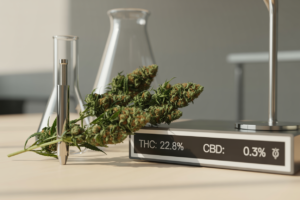
When shopping for cannabis, ask for the Certificate of Analysis (COA). This lab report lists exact terpene percentages alongside cannabinoid content. A terpene profile above 2% total is considered rich, and the specific terpenes present tell you more about the experience than THC percentage alone.
Lesser-known terpenes worth your attention
Humulene shares a precursor with caryophyllene and has an earthy, woody smell. It’s abundant in hops (the cannabis plant’s botanical cousin) and has shown appetite-suppressing properties in animal studies. That’s unusual for a cannabis-related compound, since most people associate cannabis with increased appetite. If you’re using cannabis but don’t want the munchies, humulene-heavy strains might help.
Terpinolene is found in smaller amounts but has a complex scent profile that mixes floral, herbal, and slightly citrus notes. It’s in nutmeg, tea tree, and lilac. Research suggests it has antioxidant and mildly sedative effects. Strains like Ghost Train Haze and Dutch Treat tend to have terpinolene in their profiles.
Ocimene has a sweet, herbaceous, woody aroma. It’s found in mint, parsley, orchids, and kumquats. Preliminary research from the National Library of Medicine indicates anti-inflammatory and antiviral properties. It’s less studied than the major terpenes, but it appears frequently in sativa-leaning varieties.
Bisabolol (alpha-bisabolol) comes from chamomile and has a gentle floral scent. It’s been used in skincare for decades because of its wound-healing and anti-irritation properties. In cannabis, it adds a subtle sweetness to the overall aroma and may contribute to calming effects.
How terpenes affect strain selection
The old indica-vs-sativa classification system is breaking down. Genetic testing has shown that most modern strains are hybrids anyway. A more useful approach is to choose strains based on their terpene profiles rather than their indica/sativa label.
Here’s a practical framework. If you want relaxation and sleep, look for high myrcene and linalool. If you want energy and focus, look for limonene and pinene. If you want pain relief without heavy sedation, caryophyllene and humulene are your friends. If you want a balanced, social experience, terpinolene combined with moderate limonene tends to produce that kind of effect.
This isn’t exact science yet. The research is still catching up to what cannabis users have noticed anecdotally for years. But it’s a better starting point than guessing based on a strain name or an indica/sativa label that may not mean what you think it means.
📝 Keep in mind
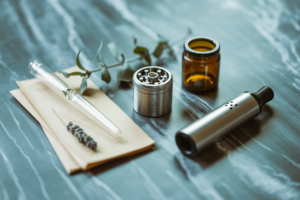
Terpenes are volatile. They degrade with heat, light, and time. If you’re using a vaporizer, lower temperatures (around 160-180°C) preserve more terpenes than high-heat combustion. Storage matters too. Keep your flower in airtight glass containers, away from light and heat, to maintain its terpene profile as long as possible.
Terpenes in cannabis products beyond flower
Not all cannabis products retain their original terpenes. The extraction and manufacturing process makes a big difference.
Live resin is processed from fresh-frozen cannabis, which preserves the full terpene spectrum. It tends to taste and feel more like the original plant compared to other concentrates. Distillate, on the other hand, strips out almost everything except THC. Many distillate products have botanical terpenes (sourced from non-cannabis plants) added back in. These reintroduced terpenes provide flavor but may not replicate the original entourage effect.
Full-spectrum CBD oils and tinctures retain terpenes alongside cannabinoids. Broad-spectrum products remove THC but keep other compounds including terpenes. CBD isolate contains only CBD with nothing else. If you care about terpenes, full-spectrum products are the way to go.
Edibles are a mixed bag. The decarboxylation process (heating to activate cannabinoids) destroys some terpenes, and cooking further reduces them. Some manufacturers add terpenes back into edibles, but this is still uncommon. If you’ve noticed that edibles feel different from smoking or vaping the same strain, reduced terpene content is one reason why.
The science is still catching up
Terpene research is moving fast, but there are limits to what we know. Most studies have been done on isolated terpenes in animal models or in vitro (test tubes). Human clinical trials specifically examining cannabis terpene interactions are rare, partly because of ongoing legal barriers to cannabis research in many countries.
A 2019 study in Scientific Reports found that some terpenes did activate cannabinoid receptors in cell cultures, but the concentrations required were much higher than what you’d typically encounter when using cannabis. This doesn’t mean terpenes don’t matter in real-world use, but it does mean the mechanism might be more complex than simple receptor binding.
Genetic research is opening new doors. Scientists have identified over 55 terpene synthase genes in cannabis, each responsible for producing different terpenes. As genomic analysis becomes cheaper, breeders are beginning to select for specific terpene profiles rather than just THC content. The next generation of cannabis strains will likely be marketed and sold based on their terpene fingerprints.
⚠️ Safety note
While cannabis terpenes are generally well-tolerated, concentrated terpene products (like those sold for adding to concentrates) can irritate skin and mucous membranes. Never ingest pure terpene isolates without proper dilution. If you’re using cannabis for a specific health concern, talk to a healthcare professional who understands cannabinoid medicine. The CDC maintains updated information on cannabis safety.
How to use terpene knowledge in practice
Start by paying attention to what you smell. Your nose is remarkably good at detecting terpenes, even in tiny concentrations. Before you consume a strain, break open the bud and take a slow breath. If it smells like citrus, there’s limonene. Pine? That’s pinene. Earthy and musky? Myrcene. Spicy or peppery? Caryophyllene. Sweet and floral? Linalool.
Keep a simple journal. Write down the strain, what it smelled like, and how you felt. After a few weeks, you’ll start seeing patterns. Maybe you’ll realize that every strain you loved had a strong citrus smell, which means you should actively seek out limonene-dominant options. Or maybe the earthy, relaxing ones are your thing, pointing you toward myrcene.
When buying from a dispensary, ask staff about terpene content. Good shops test their products and can tell you what’s in each batch. Online retailers increasingly list terpene data on product pages. This information is more useful for predicting your experience than THC percentage, strain name, or indica/sativa classification.
Frequently asked questions
Do terpenes get you high?
Terpenes don’t produce a “high” on their own in the way THC does. However, they can modify your cannabis experience by influencing how cannabinoids interact with your endocannabinoid system. Beta-caryophyllene, for example, binds to CB2 receptors but doesn’t produce psychoactive effects. Other terpenes may amplify or moderate the effects of THC.
What’s the best way to preserve terpenes in cannabis flower?
Store your cannabis in an airtight glass container, kept in a cool, dark place. Avoid plastic bags, which can create static that strips trichomes. Temperature should stay between 15-21°C (60-70°F). Humidity packs (like Boveda at 62%) help maintain optimal moisture levels without degrading terpenes.
Are terpenes from cannabis different from terpenes in other plants?
Chemically, no. Limonene from a lemon is the same molecule as limonene from cannabis. The difference is that cannabis produces a complex combination of many terpenes at once, along with cannabinoids and flavonoids. This unique combination is what creates effects that you won’t get from simply sniffing a lemon or a sprig of lavender.
Can I add terpenes to my cannabis products?
Some companies sell isolated terpene blends designed to be added to concentrates or flower. This can change the flavor and potentially the effects, but use extreme caution with dosing. Pure terpenes are potent and can irritate your lungs and skin. Start with tiny amounts (1-2 drops per gram of concentrate) and increase slowly.
How do I read terpene percentages on lab tests?
Lab tests show terpenes as a percentage of dry weight. Total terpene content above 2% is considered high. Individual terpene percentages above 0.5% are significant. The dominant terpene (the one with the highest percentage) has the strongest influence on the strain’s aroma and effects. Look at the top three terpenes to get a quick read on what to expect.