
Did you know that your brain isn’t fully developed until your mid-20s? Yet, THC – the psychoactive compound in cannabis – remains more popular than ever among young adults in 2025. With cannabis legalization expanding across the globe and high-potency products flooding the market, this raises an urgent question: What are the real consequences of THC use on still-developing minds?
Recent research from the National Institute on Drug Abuse (NIDA) has revealed troubling connections between THC and a range of mental health risks in young adults. From triggering psychosis to fueling anxiety and depression, the impact on the adolescent brain can be profound and long-lasting. This comprehensive 2025 guide unravels the complex relationship between THC and mental well-being, backed by the latest scientific evidence and expert insights.
Key Takeaways: Protecting Young Minds from THC
Essential Facts You Need to Know
- ✓ THC and Mental Health: Scientific evidence increasingly links THC use to serious mental health risks including psychosis, anxiety, depression, and cognitive decline
- ✓ The Developing Brain is Vulnerable: THC disrupts the endocannabinoid system during adolescence, a critical period for brain development
- ✓ Early Use = Higher Risk: The younger a person starts using THC, and the more frequently they use it, the greater their risk of negative outcomes
- ✓ Genetic Vulnerability: Individuals with a family history of mental illness may be more susceptible to THC’s harmful effects
- ✓ High-Potency Products Amplify Risks: Today’s cannabis products averaging 20-30% THC pose greater risks than products from previous decades
- ✓ Help is Available: Numerous resources exist to support individuals struggling with THC-related mental health challenges
The Bottom Line: Understanding the risks of THC use in young adults is the first step towards protecting their mental well-being and empowering them to make informed choices in an era of increased cannabis accessibility.
THC and the Developing Brain: A Hijacking in Progress
The adolescent brain is a work in progress, continually wiring and rewiring itself well into a person’s mid-20s. According to the Centers for Disease Control and Prevention (CDC), this makes young people particularly vulnerable to substances that interfere with normal brain development. Enter THC, the psychoactive powerhouse in cannabis, and this intricate process faces a potential hijacker.
The Endocannabinoid System Under Siege
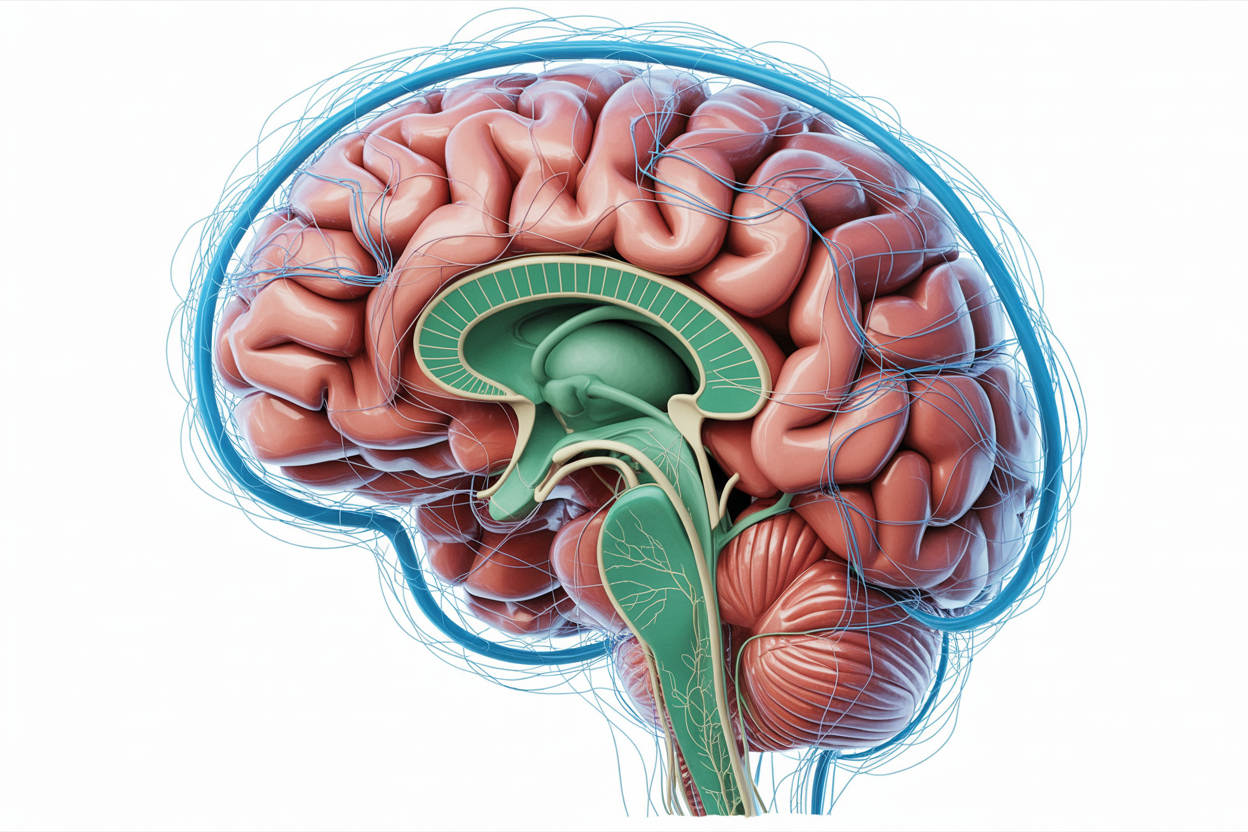
At the heart of this hijacking is the endocannabinoid system (ECS), a complex network of receptors and chemicals that play a pivotal role in brain development, mood regulation, memory, and more. THC, with its uncanny ability to mimic natural endocannabinoids, binds to these receptors—particularly the CB1 receptor—disrupting their delicate balance. Research published by the National Institutes of Health (NIH) confirms that this interference can have lasting consequences for neural development.
Warning: Critical Development Period
The prefrontal cortex—responsible for decision-making, impulse control, and emotional regulation—is among the last brain regions to fully mature. THC exposure during this critical window can permanently alter the brain’s architecture and function.
When Neural Pathways Go Astray
During adolescence, the brain undergoes a remarkable transformation, forging new neural connections while pruning unnecessary ones. This sculpting process is essential for building cognitive skills and emotional maturity. However, THC throws a wrench into this finely tuned system. A 2024 study published in Molecular Psychiatry demonstrated that regular cannabis use during adolescence leads to measurable changes in brain white matter integrity.
Brain Changes: A Closer Look
Imaging studies have revealed the stark reality of THC’s impact. Research published in the Journal of Neuroscience found correlations between heavy cannabis use in adolescence and significant changes in brain regions crucial for decision-making, emotional regulation, and memory. Moreover, THC isn’t just altering brain structure—it’s disrupting neurotransmitter systems and impairing synaptic plasticity, the brain’s ability to adapt and learn.
Expert Insight
Dr. Francesca Filbey, a renowned neuroscientist specializing in cannabis research at the University of Texas at Dallas, warns that the adolescent brain’s heightened plasticity—its adaptability—makes it uniquely vulnerable to substances like THC. Early exposure can leave a lasting imprint, potentially leading to more severe and enduring consequences than those experienced by adult brains.
Mental Health Risks of THC Use: Unveiling the Dark Side
THC and Psychosis: A Dangerous Liaison
Psychosis, a severe mental disorder marked by a loss of touch with reality, is a growing concern linked to THC use, especially in young adults. Research has revealed a chilling connection: THC can trigger psychotic episodes in those predisposed to mental illness, and heavy or prolonged use further elevates this risk. A landmark study in The Lancet Psychiatry found daily cannabis use, especially with high-potency strains, significantly increases the likelihood of developing psychosis. The World Health Organization (WHO) has recognized cannabis-induced psychosis as a significant public health concern.
THC’s Grip on Anxiety and Depression: A Vicious Cycle
While some tout THC’s potential to relieve anxiety, the reality is often the opposite. According to the American Psychological Association (APA), THC can fuel anxiety and depression, creating a vicious cycle where individuals self-medicate with cannabis, only to worsen their mental health over time. This is due to THC’s disruptive effects on the brain’s delicate balance of neurotransmitters and emotional responses. Studies have linked cannabis use to higher rates of depressive episodes and suicidal thoughts, especially among young adults.
Important Consideration
While CBD (cannabidiol) has shown promise for anxiety relief in some studies, THC—particularly in high doses—tends to increase anxiety and can trigger panic attacks in susceptible individuals. The ratio of THC to CBD in a product matters significantly.
Beyond the Obvious: THC’s Wider Mental Health Impact
THC’s reach extends beyond psychosis and mood disorders. Emerging research from PubMed suggests links to bipolar disorder, where THC can exacerbate manic and depressive episodes. Additionally, THC use has been associated with an increased risk of substance use disorders, with adolescents and young adults being particularly vulnerable to the dangers of poly-substance use and addiction.
THC and Mental Health: The Alarming 2025 Data
Recent studies paint a concerning picture of THC’s impact on young adult mental health. The numbers from SAMHSA’s National Survey on Drug Use and Health don’t lie:
2025 Statistics at a Glance
- Soaring Use: The Monitoring the Future survey reveals THC use among young adults (18-25) is at an all-time high, with approximately 38% reporting use in the past year. High-potency concentrates and edibles are increasingly popular.
- Psychosis Risk Multiplied: Research published in JAMA Psychiatry confirms that young adults who use THC daily are up to five times more likely to experience psychotic symptoms than non-users.
- Anxiety and Depression Amplified: Regular users are 20-30% more likely to develop anxiety disorders, and cannabis use is linked to higher rates of major depressive episodes.
- Potency Has Skyrocketed: Average THC content in cannabis products has increased from 4% in 1995 to over 25% in 2025, with some concentrates exceeding 90% THC.
The Takeaway: These alarming statistics emphasize the urgency of addressing THC’s mental health risks in young adults. Education, prevention, and early intervention are paramount to safeguarding the well-being of the next generation.
Factors Influencing THC Mental Health Risks: A Perfect Storm
Multiple factors can converge to create a “perfect storm” of vulnerability, amplifying the mental health risks of THC use in young adults. Research from the National Center for Biotechnology Information identifies several key risk factors:
Biological Factors
- Genetic Predisposition: Family history of mental illness increases vulnerability
- Age of Initiation: Use before age 18 carries highest risk
- Brain Development Stage: Still-maturing prefrontal cortex
- Individual Sensitivity: Variations in cannabinoid receptor density
Use Pattern Factors
- Frequency: Daily use dramatically increases risk
- Potency: High-THC products amplify dangers
- Duration: Years of regular use compound effects
- Consumption Method: Concentrates and edibles pose unique risks
Environmental and Co-occurring Factors
- Co-occurring Mental Health Conditions: Pre-existing anxiety, depression, or ADHD can be worsened by THC use
- Trauma History: Individuals with trauma backgrounds may be more susceptible to negative effects
- Social Environment: Peer pressure and normalization of use can increase consumption
- Stress Levels: High-stress environments may lead to problematic self-medication patterns
Long-Term Consequences: The Lingering Shadow of THC
The shadow of THC can linger long after the high fades, especially for young adults whose brains are still developing. Early and frequent exposure can cast a lasting impact on cognitive abilities, mental health, and overall well-being.
Long-Term Impact Timeline
- Immediate (Weeks): Memory issues, concentration problems, altered motivation
- Short-Term (Months): Academic/work performance decline, relationship strain, sleep disruption
- Medium-Term (1-5 Years): Persistent cognitive deficits, increased mental health symptoms, potential addiction development
- Long-Term (5+ Years): Possible permanent IQ reduction, chronic mental health conditions, career and life trajectory impacts
Cognitive Impairments: Research from PNAS (Proceedings of the National Academy of Sciences) reveals that chronic THC use can lead to persistent cognitive deficits, particularly in memory, attention, and executive function – the skills crucial for planning, decision-making, and problem-solving. These impairments can hinder academic and professional success.
Mental Health Disorders: The long-term consequences extend to mental health. Chronic use increases the likelihood of developing anxiety, depression, and even psychotic disorders. Young people with a family history of mental illness are particularly vulnerable, as THC can act as a catalyst.
Addiction and Substance Use Disorders: According to the National Institute on Drug Abuse, approximately 9% of people who use cannabis will become dependent, rising to about 17% for those who start in adolescence. This can lead to a downward spiral of poly-substance use and compounding challenges.
THC and Mental Health: Separating Fact from Fiction
| Myth | Fact |
|---|---|
| THC is harmless for young adults | THC poses significant risks to the developing brain, increasing the likelihood of mental health disorders like psychosis, anxiety, and depression. |
| THC helps with anxiety and depression | While some report temporary relief, THC typically worsens anxiety and depression over time. Regular use is linked to increased symptoms. |
| You can’t get addicted to THC | THC can be addictive, especially with high-potency products. About 1 in 6 people who start using as teens develop cannabis use disorder. |
| Only heavy THC use is risky | Even occasional use during adolescence can harm brain development. Early initiation increases the risk of long-term problems. |
| Today’s cannabis is the same as before | THC potency has increased 5-10x since the 1990s. Modern products are far more potent and potentially more harmful. |
Frequently Asked Questions
Can THC permanently damage a young person’s brain?
While more research is ongoing, evidence suggests that THC can disrupt the delicate process of brain development during adolescence, potentially leading to lasting cognitive impairments in memory, attention, and executive function. Studies show that heavy use before age 18 carries the highest risk for permanent changes. However, some recovery may occur after cessation of use.
Does THC cause psychosis?
THC alone doesn’t cause psychosis in everyone, but it significantly increases the risk, especially for those with a family history of mental illness or genetic predisposition. High-potency THC and frequent use further elevate this risk. Research shows daily users of high-potency cannabis are 5 times more likely to experience a first episode of psychosis.
Is there a safe amount of THC for young adults?
From a brain development perspective, no amount of THC is considered “safe” for individuals under 25, when the brain is still maturing. The safest choice is to delay use until the brain is fully developed. For those who choose to use, lower potency, less frequent use, and avoiding use before important cognitive tasks reduces—but doesn’t eliminate—risk.
How does today’s cannabis compare to what was available decades ago?
Today’s cannabis is dramatically more potent. Average THC content has risen from about 4% in the 1990s to over 20-25% in 2025, with some concentrates exceeding 90% THC. This increased potency means greater risk for mental health effects, addiction, and cognitive impairment compared to cannabis used by previous generations.
Can the brain recover after stopping THC use?
Research suggests some cognitive functions can improve after stopping cannabis use, though recovery may not be complete, especially for those who used heavily during adolescence. Studies show that after 28+ days of abstinence, many users show significant improvement in memory and attention, though some deficits may persist long-term.
Where can I find help for someone struggling with THC use?
If you or someone you know is struggling with THC use or experiencing mental health issues, help is available. Contact SAMHSA’s National Helpline at 1-800-662-HELP (4357), visit The Jed Foundation at jedfoundation.org, or reach out to the National Alliance on Mental Illness (NAMI). Many communities also have local substance use counselors and support groups.
Prevention and Harm Reduction: Empowering Young Adults
Safeguarding young minds from the potential harm of THC requires a proactive, multi-faceted approach that combines education, open communication, and practical harm reduction strategies.
For Parents and Educators
- Start Early Conversations: Begin age-appropriate discussions about substance use before teens encounter peer pressure
- Focus on Brain Science: Explain how THC affects the developing brain in factual, non-judgmental terms
- Set Clear Expectations: Establish household rules while maintaining open communication channels
- Model Healthy Coping: Demonstrate constructive ways to handle stress and emotions
- Know the Signs: Learn to recognize changes in behavior, grades, or social circles that might indicate use
For Young Adults
- Get Informed: Seek credible information from sources like NIDA rather than relying on social media or peers
- Delay Use: If possible, wait until your brain is fully developed (mid-20s) before experimenting
- Know Your Risk: Consider your family history of mental illness when making decisions
- It’s Okay to Say No: Prioritize your mental health and future over social pressure
- Seek Help When Needed: If you’re struggling, reach out to a trusted adult or professional
Harm Reduction for Current Users
If you or someone you know is already using THC, these strategies can help reduce potential harm:
- Reduce Frequency: Using less often gives the brain more recovery time. Consider tolerance breaks to reset
- Choose Lower Potency: Avoid concentrates and high-THC products. Learn about cannabis microdosing for safer consumption
- Don’t Mix Substances: Avoid combining THC with alcohol or other drugs
- Avoid Morning Use: Using during important cognitive tasks impairs performance
- Monitor Mental Health: Pay attention to anxiety, mood changes, or paranoia
Conclusion: Protecting the Promise of Young Minds
THC’s potential to derail young adult mental health is a stark reality we cannot ignore in 2025. As cannabis becomes more accessible and potent, the evidence is clearer than ever: THC can disrupt brain development, trigger mental illness, and set the stage for a lifetime of challenges.
But knowledge is power. By understanding the science, the risks, and the long-term consequences, we empower ourselves, our loved ones, and our communities to make informed choices. Education, prevention, and early intervention remain our most powerful tools in protecting young minds.
Let’s not just talk about the risks—let’s actively promote awareness and advocate for responsible policies. Let’s create supportive environments where young adults feel empowered to make healthy decisions, seek help when needed, and reach their full potential.
The future of our young adults depends on it. Choose to protect their mental well-being, nurture their promise, and pave the way for a brighter tomorrow.
Legal Disclaimer
All information presented on this website is intended solely for educational and informational purposes. This content is not a substitute for professional medical advice, diagnosis, or treatment. This website does not support, condone, or promote the use of illegal substances. Please consult with a qualified healthcare professional for any medical concerns. For more information, refer to our full Disclaimer.
Stay Informed on Cannabis and Mental Health
Stay ahead of the curve on THC’s impact on young minds. Our newsletter delivers the latest research, actionable prevention tips, and resources to help you make informed decisions. Join our community of advocates for mental health awareness.
Looking for more cannabis education? Explore our guides on cannabis as a health care tool and cannabis and creativity for balanced perspectives.