Finding the best cannabis products for pain relief can be life-changing for millions of people suffering from chronic discomfort. Whether you’re dealing with arthritis, fibromyalgia, back pain, or post-workout soreness, cannabis-based products offer a natural alternative to traditional painkillers. In this comprehensive guide, we’ll explore the most effective options available today, backed by scientific research and real-world testimonials.
The cannabis plant contains over 100 different cannabinoids, with CBD (cannabidiol) and THC (tetrahydrocannabinol) being the most studied for their pain-relieving properties. According to the National Institutes of Health, cannabinoids interact with the body’s endocannabinoid system to modulate pain signals and reduce inflammation.
Understanding How Cannabis Products for Pain Relief Work
Before diving into specific products, it’s essential to understand the science behind cannabis and pain relief. Your body has an endocannabinoid system (ECS) that plays a crucial role in regulating pain, inflammation, mood, and sleep. When you consume cannabis products, the cannabinoids bind to receptors in this system, potentially reducing pain perception and inflammatory responses.
Research published in the Journal of Pain Research demonstrates that both CBD and THC can effectively manage various types of pain. CBD works primarily through anti-inflammatory mechanisms, while THC directly interacts with pain receptors in the brain and nervous system.
The Centers for Disease Control and Prevention (CDC) notes that many patients report using cannabis products as an alternative or complement to traditional pain medications, particularly opioids.
✓ Key Benefits of Cannabis for Pain
- ✓ Natural anti-inflammatory properties
- ✓ Fewer side effects than traditional painkillers
- ✓ Non-addictive options available (CBD)
- ✓ Multiple delivery methods for personalized relief
- ✓ May reduce dependence on opioid medications
CBD Oils and Tinctures for Pain Management
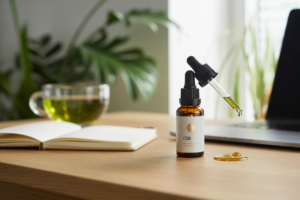
CBD oils remain the most popular cannabis products for pain relief due to their versatility and ease of use. These products are typically taken sublingually (under the tongue), allowing for rapid absorption into the bloodstream. Most users report feeling effects within 15-30 minutes, with relief lasting 4-6 hours.
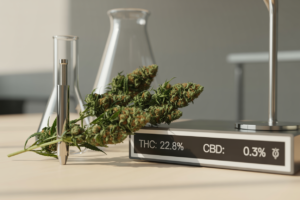
When selecting a CBD oil for pain, consider the extraction method and cannabinoid profile. Full-spectrum CBD oils contain all naturally occurring cannabinoids, including trace amounts of THC (less than 0.3%), which may enhance pain relief through the “entourage effect.” Broad-spectrum options remove THC entirely while maintaining other beneficial compounds.
According to a study from Harvard Medical School, CBD has shown promise in treating various pain conditions, including chronic pain, arthritis, and multiple sclerosis-related pain.
💡 Pro Tip
Start with a low dose of CBD oil (10-20mg) and gradually increase until you find your optimal dosage. Keep a pain journal to track what works best for your specific condition.
Topical Cannabis Products for Targeted Relief
Cannabis topicals—including creams, balms, salves, and lotions—offer targeted pain relief directly to affected areas. These products are particularly effective for localized pain conditions such as arthritis, muscle soreness, joint inflammation, and skin conditions. Because they don’t enter the bloodstream, topicals provide relief without any psychoactive effects.
The best cannabis topicals for pain relief typically combine cannabinoids with other therapeutic ingredients like menthol, camphor, arnica, or essential oils. This combination creates a synergistic effect that enhances pain relief and promotes healing. Many users apply topicals 2-3 times daily or as needed for breakthrough pain.
Research from the National Library of Medicine suggests that transdermal cannabinoid application can effectively reduce inflammation and pain at the application site without systemic effects.
Cannabis Edibles for Long-Lasting Pain Relief
For those seeking extended pain relief, cannabis edibles offer a compelling solution. Gummies, chocolates, capsules, and beverages provide effects that can last 6-8 hours or longer, making them ideal for chronic pain management, especially overnight relief that improves sleep quality.
Edibles take longer to kick in (typically 30 minutes to 2 hours) because they must pass through the digestive system. However, when metabolized by the liver, THC converts to 11-hydroxy-THC, a more potent compound that provides stronger and longer-lasting effects.
CBD-only edibles are widely available and legal in most jurisdictions. These provide anti-inflammatory benefits without any intoxicating effects, making them suitable for daytime use while working or driving.
📝 Important Note
Edibles can take up to 2 hours to take full effect. Avoid the common mistake of taking more because you “don’t feel anything yet.” Start low (2.5-5mg THC or 10-25mg CBD) and wait at least 2 hours before considering an additional dose.
Vaporizers and Inhalables for Fast-Acting Relief
When pain strikes suddenly and you need immediate relief, vaporizing cannabis products offers the fastest onset of effects. Inhalation delivers cannabinoids directly to the lungs, where they’re absorbed into the bloodstream within seconds. Most users feel relief within 5-10 minutes.
Modern vaporizers heat cannabis flower or concentrates to a temperature that releases cannabinoids without combustion, reducing exposure to harmful byproducts associated with smoking. This makes vaping a healthier alternative for those who need fast-acting cannabis products for pain relief.
The National Institute on Drug Abuse (NIDA) provides information about the effects of different cannabis consumption methods, noting that inhalation produces the quickest onset but shorter duration compared to oral consumption.
CBD vs THC: Which Is Better for Pain Relief?
One of the most common questions about cannabis products for pain relief is whether to choose CBD or THC. The answer depends on your specific needs, local laws, and tolerance for psychoactive effects.
CBD (Cannabidiol) is non-intoxicating and works primarily through anti-inflammatory mechanisms. It’s ideal for daily use, workplace-friendly, and legal in most places. CBD is particularly effective for inflammatory conditions, neuropathic pain, and anxiety-related pain.
THC (Tetrahydrocannabinol) directly activates pain receptors and provides stronger analgesic effects, especially for severe pain. However, it causes intoxication and may not be suitable for all situations. THC is often preferred for chronic pain conditions, cancer-related pain, and sleep issues.
Many experts, including researchers at Mayo Clinic, suggest that combining CBD and THC in specific ratios may provide superior pain relief through synergistic effects.
✓ CBD vs THC Quick Comparison
- ✓ CBD: Non-intoxicating, anti-inflammatory, legal in most areas
- ✓ THC: Stronger pain relief, psychoactive, requires legal access
- ✓ Combined: Often more effective than either alone
- ✓ 1:1 ratio: Balanced effects, good starting point
Choosing the Right Cannabis Products for Your Pain Type
Different types of pain respond better to different cannabis products. Understanding your pain type can help you select the most effective option.
Inflammatory Pain (Arthritis, Injuries): CBD topicals and full-spectrum CBD oils work well for inflammation-based pain. Apply topicals directly to affected joints while using oils for systemic anti-inflammatory effects.
Neuropathic Pain (Nerve Damage, Diabetes): THC-containing products often provide better relief for nerve pain. Consider balanced THC:CBD ratios or high-THC options where legal.
Muscle Pain and Tension: Topical cannabis products combined with massage work excellently. Look for formulas containing menthol or camphor for additional cooling relief.
Chronic Widespread Pain (Fibromyalgia): A combination approach often works best—oral products for baseline relief plus topicals for flare-ups.
Quality Indicators: What to Look for in Cannabis Pain Products
Not all cannabis products are created equal. To ensure you’re getting safe, effective products, look for these quality indicators:
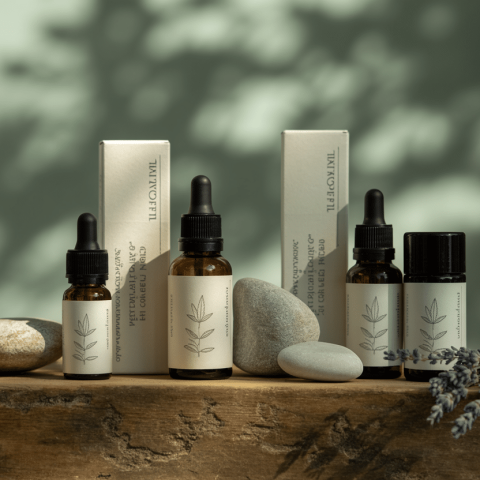
Third-Party Lab Testing: Reputable manufacturers provide Certificates of Analysis (COAs) from independent laboratories. These verify cannabinoid content, confirm the absence of pesticides, heavy metals, and mold, and ensure the product contains what the label claims.
Extraction Method: CO2 extraction is considered the gold standard, producing clean products without residual solvents. Ethanol extraction is also acceptable, while cheap products may use butane or propane extraction.
Source Material: Look for products made from organically grown hemp or cannabis. The FDA provides guidance on cannabis product safety and labeling.
⚠️ Warning
Avoid products without third-party lab testing, those with unrealistic health claims, or those sold at suspiciously low prices. Contaminated or mislabeled products can be ineffective at best and dangerous at worst. Always purchase from reputable sources.
Dosing Guidelines for Cannabis Pain Relief
Finding the right dose of cannabis products for pain relief requires patience and self-experimentation. The principle of “start low and go slow” applies to all cannabis products.
CBD Dosing: Begin with 10-25mg per day and increase by 5-10mg every few days until you achieve desired relief. Most people find their effective dose between 25-100mg daily, though some conditions may require higher amounts.
THC Dosing: Start with 2.5-5mg and wait at least 2 hours (for edibles) or 15 minutes (for inhalation) before taking more. Experienced users may use 10-30mg, but beginners should proceed cautiously.
Keep a journal tracking your doses, timing, and pain levels. This data helps you optimize your regimen over time and provides useful information if you consult with a healthcare provider.
Legal Considerations for Cannabis Pain Products
The legal status of cannabis products varies significantly by location. Understanding local regulations is essential before purchasing any cannabis-based pain relief products.
Hemp-Derived CBD: In the United States, the 2018 Farm Bill legalized hemp-derived CBD products containing less than 0.3% THC at the federal level. However, some states have additional restrictions. The USDA provides resources on hemp regulations.
Medical Cannabis: Many states and countries have medical cannabis programs that allow patients with qualifying conditions to access THC-containing products. These typically require a doctor’s recommendation and registration with state programs.
Recreational Cannabis: Some jurisdictions have legalized adult-use cannabis, allowing anyone over 21 to purchase THC products from licensed dispensaries.
Potential Side Effects and Interactions
While cannabis products are generally well-tolerated, it’s important to be aware of potential side effects and drug interactions.
Common CBD Side Effects: Dry mouth, drowsiness, reduced appetite, diarrhea (usually with high doses), and potential interactions with certain medications, particularly blood thinners.
Common THC Side Effects: Intoxication, impaired coordination, increased heart rate, anxiety (in some users), dry mouth, red eyes, and short-term memory impairment.
Always consult with a healthcare provider before using cannabis products, especially if you take prescription medications or have underlying health conditions. Organizations like the Arthritis Foundation provide guidance on using CBD safely for pain management.
Frequently Asked Questions
What is the best cannabis product for chronic pain?
For chronic pain, a combination approach often works best. Full-spectrum CBD oil taken daily provides baseline relief through anti-inflammatory effects, while topicals can address specific painful areas. If you have access to THC products, a balanced 1:1 CBD:THC ratio may provide superior relief for chronic conditions. Edibles are also excellent for overnight pain relief and improved sleep.
How quickly do cannabis products work for pain relief?
Onset time varies by consumption method. Vaporizing or smoking produces effects within 5-10 minutes. Sublingual oils and tinctures take 15-30 minutes. Topicals work within 15-45 minutes on the application area. Edibles have the longest onset, typically 30 minutes to 2 hours, but provide the longest-lasting relief of 6-8 hours or more.
Can I use cannabis products for pain if I’m drug tested at work?
This depends on the product type. CBD isolate products contain no THC and should not trigger a positive drug test. However, full-spectrum CBD products contain trace amounts of THC (up to 0.3%) that could potentially accumulate with regular use and cause a positive result. If drug testing is a concern, choose broad-spectrum CBD or CBD isolate products and keep documentation of your CBD use.
Are cannabis products safe to use with other pain medications?
Cannabis products can interact with certain medications, including blood thinners, anti-seizure drugs, and some antidepressants. CBD inhibits certain liver enzymes (CYP450) that metabolize many prescription drugs. Always consult your healthcare provider before combining cannabis products with prescription medications. Many patients successfully use cannabis alongside reduced doses of traditional painkillers under medical supervision.
What strength CBD oil should I use for pain relief?
For mild to moderate pain, start with a medium-strength oil (500-1000mg per 30ml bottle). For severe or chronic pain, higher concentrations (1500-3000mg per bottle) may be more cost-effective. Begin with a low dose (10-20mg) regardless of concentration and gradually increase. The key is finding your personal effective dose, which varies significantly between individuals.
How do I know if a cannabis product is high quality?
Look for products with third-party lab testing (Certificate of Analysis), clear labeling of cannabinoid content, information about the hemp source, and transparent manufacturing practices. Reputable companies willingly share their testing results and sourcing information. Avoid products with unrealistic health claims, missing lab results, or prices that seem too good to be true.
Conclusion: Finding Your Ideal Cannabis Pain Relief Solution
The best cannabis products for pain relief vary from person to person, depending on pain type, severity, lifestyle needs, and legal access. By understanding the different product types, cannabinoid options, and quality indicators discussed in this guide, you’re well-equipped to make informed decisions about your pain management journey.
Remember to start with low doses, be patient as you find your optimal regimen, and keep detailed notes on what works. Whether you choose CBD oils for daily anti-inflammatory support, topicals for targeted relief, or THC-containing products for more severe pain, cannabis offers a promising natural alternative worth exploring.
Always consult with healthcare professionals, especially if you’re managing chronic conditions or taking other medications. With the right approach, cannabis products can become a valuable tool in your pain management toolkit.