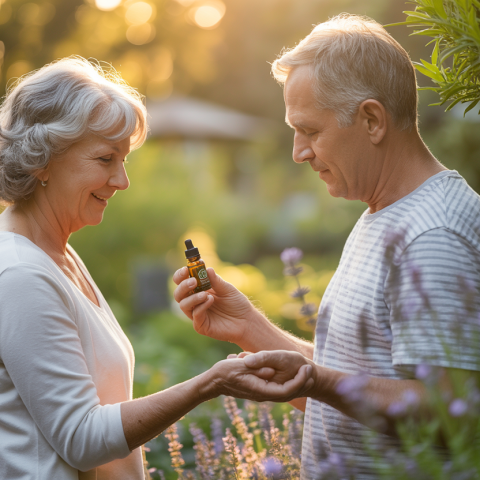
More adults over 65 are turning to cannabis than ever before. Usage among seniors jumped 46% between 2021 and 2023, according to data from the Substance Abuse and Mental Health Services Administration (SAMHSA). The reasons are practical: chronic pain that won’t quit, sleep that keeps getting worse, and anxiety medications with side effects that feel worse than the anxiety itself. If you’re a senior curious about cannabis, or you have a parent or grandparent asking questions, this guide covers what actually matters.
📺 Video Guide
Why Seniors Are Choosing Cannabis
The shift didn’t happen overnight. For decades, cannabis carried a stigma that kept older adults away. What changed? Two things: legalization spread across more states and countries, and research started catching up with anecdotal evidence. Seniors watched their peers get relief from chronic pain when prescription opioids either stopped working or caused problems of their own.
A 2023 study published in the Journal of the American Geriatrics Society found that older cannabis users reported meaningful improvements in pain, sleep quality, and overall mood. Most of them used low doses, primarily for therapeutic purposes rather than recreation.
There’s also a financial angle nobody talks about enough. Many seniors take 10 to 15 medications daily. Some have found that cannabis for seniors can replace one or two of those prescriptions, with their doctor’s blessing, cutting both costs and the cascade of drug interactions that comes with polypharmacy.
Proven Benefits for Older Adults
Cannabis affects everyone differently, but certain benefits show up consistently in research involving older adults. Here’s what the science supports.
✓ Key Benefits for Seniors
- ✓ Clinically meaningful reductions in chronic pain from arthritis, neuropathy, and inflammation
- ✓ Improved sleep onset and duration without morning grogginess
- ✓ Reduced anxiety and depressive symptoms at low doses
- ✓ Appetite stimulation for seniors experiencing unintended weight loss
- ✓ Fewer side effects than many conventional medications at therapeutic doses
Pain Management Without the Pill Bottle
Chronic pain is the number one reason seniors try cannabis. Arthritis alone affects more than 54 million Americans, according to the Centers for Disease Control and Prevention (CDC), and the numbers climb with age. Standard treatments like NSAIDs carry serious risks for older adults, including stomach bleeding, kidney damage, and cardiovascular complications.
Cannabis works differently. Both THC and CBD interact with the endocannabinoid system, which regulates pain signaling throughout the body. A review in the European Journal of Internal Medicine found that older patients using medical cannabis reported significant pain reduction within six months, with 18% either reducing or stopping their opioid use entirely.
Topical products like CBD creams and balms work well for localized joint pain. They deliver relief directly where it’s needed without any psychoactive effects, making them a comfortable starting point for cannabis-curious seniors. Our guide to cannabis topicals for recovery covers the different product types in detail.
Better Sleep at Any Age
Sleep problems affect roughly half of adults over 60. The National Institute on Aging notes that changes in sleep architecture are normal with aging, but that doesn’t mean poor sleep is something you should just accept.
Cannabis, particularly strains and products high in CBN (cannabinol), can help seniors fall asleep faster and stay asleep longer. Unlike prescription sleep aids like benzodiazepines, which carry fall risks and cognitive side effects in older adults, cannabis at low doses tends to produce a more natural sleep pattern. We covered this topic thoroughly in our cannabis and sleep guide.
One thing to watch: higher THC doses can actually fragment sleep over time. The sweet spot for most seniors is a low-THC, moderate-CBD product taken about an hour before bed.
💡 Pro Tip
Start with a CBD-dominant tincture (20:1 CBD to THC ratio) taken sublingually 30 to 60 minutes before bed. This gives you pain and anxiety relief with minimal psychoactive effects. Adjust gradually over two weeks.
Anxiety and Mood Support
Retirement, health concerns, losing friends and partners, reduced mobility: getting older brings real psychological weight. The World Health Organization estimates that about 15% of adults over 60 live with a mental health condition, with anxiety and depression being the most common.
CBD has shown consistent anxiolytic (anti-anxiety) effects in clinical research. A study in the Permanente Journal found that 79% of participants reported decreased anxiety scores within the first month of CBD use, with the effects holding steady over time. For seniors who want to explore this, our CBD for anxiety guide breaks down the research.
The key distinction: CBD alone won’t get you high. It works on serotonin receptors and the endocannabinoid system to promote calm without altering perception. For seniors wary of feeling “stoned,” pure CBD products are a sensible entry point.
Safety Considerations Seniors Should Know
Cannabis is generally well-tolerated, but older adults need to approach it differently than a 25-year-old would. Here are the real considerations, not scare tactics, but things worth knowing.
Drug interactions. Cannabis can interact with blood thinners like warfarin, certain heart medications, and some antidepressants. The FDA recommends discussing cannabis use with your prescribing physician, particularly if you take medications metabolized by the liver’s cytochrome P450 enzymes.
Fall risk. THC can cause dizziness and affect balance, especially at higher doses. For seniors already at risk of falls, this matters. Start with products that have minimal THC content, and avoid standing up quickly after use.
Cardiovascular concerns. Some research published in the Journal of the American Heart Association suggests that cannabis use may affect vascular function. Seniors with heart conditions should talk to their cardiologist before starting any cannabis regimen.
Cognitive effects. While low-dose CBD appears cognitive-neutral or even mildly protective, regular high-THC use can affect short-term memory and reaction time. Moderation is the word here.
📝 Important Note
Always bring a full list of your current medications to discuss with your doctor before trying cannabis. Drug interactions are the biggest genuine risk for seniors using cannabis, and they’re entirely manageable with proper medical guidance.
Best Product Types for Seniors
Not all cannabis products are created equal, and some are better suited for older adults than others. Here’s a practical breakdown.
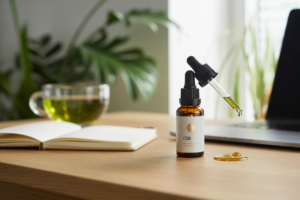
CBD oils and tinctures are the best starting point for most seniors. You place drops under your tongue, they absorb within 15 to 30 minutes, and dosing is precise. Products like broad spectrum CBD oils offer therapeutic benefits without THC. Our tinctures guide has detailed instructions.
Topicals (creams, balms, patches) work locally for joint and muscle pain. They don’t enter the bloodstream in significant amounts, so there’s no psychoactive effect and minimal risk of drug interactions. Good for arthritis, sore muscles, and neuropathic pain in specific areas.
Edibles and capsules offer longer-lasting effects (4 to 8 hours) but take longer to kick in (60 to 90 minutes). The delayed onset means it’s easy to take too much if you’re impatient. Our edibles dosing guide explains how to avoid that mistake. Start with 2.5mg THC or 10mg CBD and wait at least two hours before considering more.
Vaporizers provide fast relief (within minutes) and are easier on the lungs than smoking, but they still involve inhaling. For seniors with respiratory conditions like COPD or asthma, tinctures and edibles are safer choices.
Dosing Guidelines: Start Low, Go Slow
This is the most important advice in this entire article. Seniors metabolize cannabis differently than younger adults. Body composition changes, liver function slows down, and sensitivity to psychoactive substances often increases with age.
The standard medical recommendation, echoed by physicians at Harvard Medical School, is to “start low and go slow.” In practice, that means:
- CBD only: Begin with 10 to 15mg per day. Increase by 5mg every 3 to 5 days until you find your effective dose. Most seniors settle between 25 and 50mg daily.
- THC (if desired): Start at 1 to 2.5mg. This is genuinely tiny, and that’s the point. Increase by 1mg increments, no more than twice per week.
- Combination products: A 20:1 or 10:1 CBD-to-THC ratio gives you the “entourage effect” while keeping psychoactive effects minimal.
Keep a simple journal. Write down what you took, how much, when, and how you felt two hours later. After a week or two, patterns emerge that help you dial in your ideal dose.
Talking to Your Doctor About Cannabis
This conversation can feel awkward, especially for a generation that grew up with “Just Say No” messaging. But it’s necessary, and most doctors today are more open to it than you’d expect.
A survey by the National Academies of Sciences, Engineering, and Medicine found growing consensus among healthcare providers that cannabis has legitimate therapeutic applications, particularly for chronic pain and chemotherapy-related nausea.
When you bring it up, be specific. Don’t say “I want to try marijuana.” Instead, say something like “I’ve been reading about CBD for my arthritis pain, and I want to discuss whether it might interact with my current medications.” This frames it as a medical conversation, which is exactly what it should be.
If your doctor dismisses it outright without discussion, consider seeking a second opinion from a physician who specializes in cannabinoid medicine. The Society of Cannabis Clinicians maintains a directory of qualified practitioners.
Legal Considerations for Seniors
Cannabis legality varies dramatically depending on where you live. In the United States, 24 states plus Washington D.C. have legalized recreational cannabis, and 38 states allow medical use as of early 2026. In Europe, medical cannabis is legal in countries including Germany, Italy, Greece, and the Netherlands, though regulations differ significantly.
For seniors living in assisted living facilities or nursing homes, there’s an added layer of complexity. Even in legal states, federally funded facilities may prohibit cannabis use on their premises. The DEA still classifies cannabis as a Schedule I substance at the federal level, which creates gray areas in institutional care settings.
CBD products derived from hemp (containing less than 0.3% THC) are federally legal under the 2018 Farm Bill and are generally accepted in most care settings. This makes hemp-derived CBD an accessible option for seniors in areas where cannabis remains restricted.
Real Seniors, Real Results
The numbers tell one story. The experiences tell another. Across online communities and in clinical surveys, seniors consistently report three things: restored independence, improved quality of life, and reduced dependence on pharmaceutical medications.
A 72-year-old former nurse quoted in a AARP survey put it simply: “I spent fifteen years taking pills that made me feel foggy. CBD gave me my mornings back.” That kind of feedback shows up repeatedly in patient testimonials. Cannabis for seniors isn’t about getting high. It’s about getting your life back to a version you recognize.
For more context on how cannabis fits into an overall wellness routine for older adults, check out our compassionate wellness guide for seniors.
⚠️ Disclaimer
This article is for informational purposes only and does not constitute medical advice. The information provided about cannabis use for seniors is current as of March 2026 but may change as research evolves. Always consult with qualified healthcare professionals before starting any cannabis regimen, especially if you take prescription medications. For our full disclaimer, visit cannastoreams.gr/disclaimer.
Frequently Asked Questions
Is cannabis safe for seniors with heart conditions?
Cannabis can affect heart rate and blood pressure. Seniors with cardiovascular conditions should consult their cardiologist before using any cannabis product. CBD-only products generally carry lower cardiovascular risk than THC-containing ones, but medical guidance is still recommended.
Can I use cannabis with my blood pressure medication?
Cannabis may interact with certain blood pressure medications, potentially enhancing their effects and causing blood pressure to drop too low. Always discuss cannabis use with your prescribing doctor, especially if you take warfarin, beta-blockers, or calcium channel blockers.
What is the best cannabis product for a senior who has never tried it?
A broad-spectrum CBD oil or tincture is the safest starting point. It contains no THC (so no high), offers pain and anxiety relief, and allows precise dosing. Start with 10mg of CBD and see how you feel after a few days before increasing.
Will cannabis make me feel high or impaired?
CBD products won’t produce a high. THC products will, but at the low doses recommended for seniors (1 to 2.5mg), the effects are usually mild and described as a gentle relaxation rather than impairment. Many seniors use micro-doses successfully without feeling impaired at all.
How long does it take for cannabis to work for pain relief?
It depends on the method. Sublingual tinctures take 15 to 30 minutes. Edibles take 60 to 90 minutes. Topicals may take 15 to 45 minutes for localized relief. Vaporizers work within minutes. For chronic conditions, consistent daily use over one to two weeks typically produces the best results.