As we enter a pivotal year for the cannabis industry, understanding cannabis predictions 2026 has never been more important for wellness enthusiasts and consumers alike. The landscape is shifting dramatically, with federal marijuana rescheduling making significant progress and sweeping new hemp regulations set to transform the market. Whether you’re interested in CBD for wellness, curious about THC products, or simply want to stay informed about legal changes affecting your access to cannabis-derived products, this comprehensive guide breaks down everything you need to know about what’s coming.
The convergence of executive action on marijuana scheduling and congressional changes to hemp law creates a complex picture. According to the Congressional Research Service, the legal consequences of rescheduling marijuana are multifaceted and will unfold over time. Let’s explore the key cannabis predictions 2026 that will shape the wellness industry.
Federal Marijuana Rescheduling: The Historic Shift
The most significant development in cannabis policy is the ongoing effort to move marijuana from Schedule I to Schedule III under the Controlled Substances Act. In December 2025, President Trump signed an executive order directing the Attorney General to expedite this process, building on groundwork laid by the previous administration.
The journey to federal rescheduling began in October 2022 when President Biden directed agencies to reassess marijuana’s Schedule I classification. As NPR reports, the Department of Health and Human Services concluded in 2023 that marijuana has accepted medical use and lower abuse potential compared to other Schedule I and II substances.
💡 What Does Schedule III Mean?
Moving cannabis to Schedule III formally recognizes its medical value at the federal level. While it won’t legalize recreational marijuana, it removes significant barriers for research and allows cannabis businesses to take federal tax deductions under Section 280E.
The Marijuana Policy Project explains that the DEA issued a proposed rule to move marijuana to Schedule III and collected extensive public comments. However, the timeline remains uncertain as the administrative process continues.
Cannabis Predictions 2026: What Changes and What Doesn’t
For our cannabis predictions 2026 outlook, it’s crucial to understand that rescheduling doesn’t equal legalization. According to analysis from Ohio State University’s Moritz College of Law, moving marijuana to Schedule III without additional legal changes won’t bring state-legal cannabis into federal compliance.
What WILL Change:
- Federal recognition of marijuana vs hemp medical value
- Tax relief for cannabis businesses (280E reform)
- Reduced research barriers
- Potential changes to banking access
- Shift in federal enforcement priorities
What WON’T Change:
- State-by-state legalization remains necessary
- FDA approval still required for prescription status
- Interstate commerce restrictions continue
- Workplace drug testing policies vary by employer
The Buchanan Ingersoll & Rooney analysis notes that while rescheduling represents progress, the practical impact on consumers and patients will depend heavily on subsequent regulatory developments.
The Hemp Revolution: Major Regulatory Changes
Perhaps the most immediate impact on wellness consumers comes from sweeping changes to hemp regulations. As detailed by Arnold & Porter, Congress enacted significant amendments to federal hemp law in November 2025 as part of government funding legislation.
⚠️ Important Timeline
The new hemp restrictions take full effect on November 12, 2026. This gives consumers and businesses a one-year transition period to adapt to the changes.
The Congressional Research Service outlines the key changes:
New THC Limits:
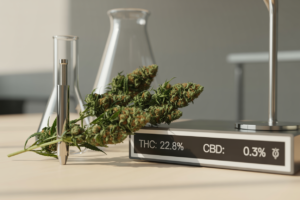
- Total THC (including THCA) capped at 0.3% dry weight
- Maximum 0.4 milligrams total THC per container
- Synthesized cannabinoids (like delta-8 THC) prohibited
- Non-naturally occurring cannabinoids banned
According to DLA Piper’s analysis, these changes effectively close the “hemp loophole” that allowed intoxicating products derived from hemp to flourish in the market.
Impact on CBD Products and Wellness Consumers
For wellness-focused consumers who rely on CBD products, the cannabis predictions 2026 landscape requires careful attention. The Fox Rothschild analysis clarifies that while CBD itself remains untouched, many current products may exceed the new THC limits.
What Remains Legal After November 2026:
- Industrial hemp for fiber, seed, and grain
- CBD products with less than 0.4mg THC per container
- Naturally occurring cannabinoids within limits
- State-regulated cannabis programs (unchanged)
The Saul Ewing analysis emphasizes that consumers should verify product lab reports and ensure their preferred full-spectrum CBD products comply with the new regulations.
State Markets and Industry Consolidation
Our cannabis predictions 2026 assessment indicates that state cannabis markets will enter a period of strategic planning rather than rapid expansion. According to cannabis industry trends experts cited by Marijuana Moment, operators are preparing for Schedule III implications while managing current market challenges.
The economic benefits of rescheduling—particularly tax relief—won’t materialize immediately. This creates a window where industry consolidation is likely, with well-capitalized companies acquiring struggling operators.
For consumers, this means:
- Continued access through existing state programs
- Potential price stabilization as tax burdens ease
- More research-backed products entering the market
- Improved product quality standards over time
What This Means for Your Wellness Routine
If you currently use cannabis or CBD products for wellness purposes, the cannabis predictions 2026 landscape offers both opportunities and considerations. The shift toward Schedule III recognition validates what many wellness consumers have known—cannabis has legitimate therapeutic applications.
💡 Practical Tips for 2026
- Review your current products’ THC content against new limits
- Stock up on compliant broad spectrum CBD oil products before regulatory changes
- Stay informed about hemp regulations in Greece and your state’s specific regulations
- Consider consulting with healthcare providers about cannabis wellness
- Support reputable brands with transparent lab testing, like our wellness CBD products
The Vicente LLP guide provides additional context on how rescheduling affects different stakeholders in the cannabis ecosystem.
Looking Ahead: The Wellness Industry in Transition
The convergence of marijuana rescheduling and hemp regulation reform creates unprecedented change for the cannabis wellness industry. While the transition period brings uncertainty, it also signals maturation of the market toward greater legitimacy and consumer protection.
For those following cannabis predictions 2026, the key takeaways are clear: federal recognition of cannabis’s medical value is advancing, stricter controls on intoxicating hemp products are coming, and the wellness market will increasingly emphasize quality, compliance, and transparency. Staying informed and working with reputable suppliers ensures you can continue benefiting from cannabis wellness products throughout these regulatory transitions.
Frequently Asked Questions
Will marijuana become legal federally in 2026?
No, rescheduling to Schedule III does not legalize marijuana. It recognizes medical value and eases certain restrictions, but state-by-state legalization and federal prohibition of recreational use continue. Prescription status would require separate FDA approval.
Are delta-8 THC products still legal?
Under the new regulations effective November 2026, delta-8 THC and other synthesized cannabinoids will be prohibited under federal law. These products are classified as converted cannabinoids not naturally produced by the plant at significant levels.
Will my CBD products still be available?
CBD products with less than 0.4mg total THC per container remain legal. However, many current full-spectrum CBD products may exceed this limit. Check product lab reports to verify compliance with new regulations.
How does Schedule III affect cannabis banking?
Schedule III status could ease banking restrictions for cannabis businesses, as banks would face reduced legal risk. However, full banking normalization likely requires additional legislation like the SAFE Banking Act.
When do the new hemp regulations take effect?
The new hemp THC restrictions take full effect on November 12, 2026, exactly one year after the legislation was enacted. This transition period allows the industry and consumers to adapt to the changes.
Will cannabis prices change with rescheduling?
Rescheduling could lead to lower prices over time as businesses benefit from Section 280E tax relief. However, immediate price changes are unlikely until the rule is finalized and businesses can claim deductions.
Does rescheduling affect workplace drug testing?
Workplace drug testing policies vary by employer and industry. DOT-regulated positions have specific requirements that may be affected by rescheduling. Consult your employer’s policies and applicable regulations.