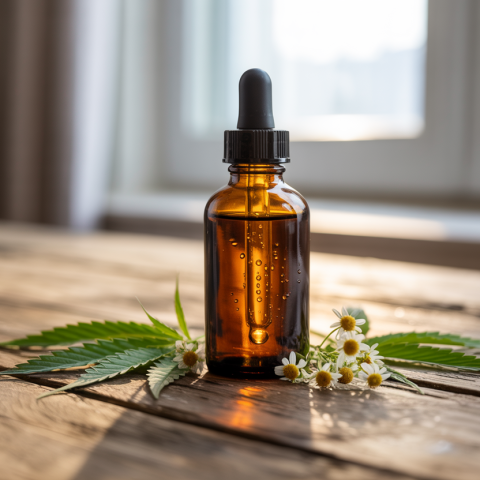
Cannabis tinctures have been around for over a century, and there’s a good reason they keep coming back. Before prohibition, tinctures were actually the most common form of cannabis medicine in the United States and Europe. Today, they’re one of the most practical ways to use cannabis, whether you’re after therapeutic benefits or just looking for something more controlled than smoking. This guide covers what cannabis tinctures are, why people use them, and how to get the most out of them.
📺 Video Guide
What are cannabis tinctures?
A cannabis tincture is a liquid extract where cannabinoids like THC and CBD are dissolved in a carrier liquid. The most traditional method uses high-proof alcohol as the solvent, though many modern tinctures use MCT oil (derived from coconut oil) or vegetable glycerin instead.
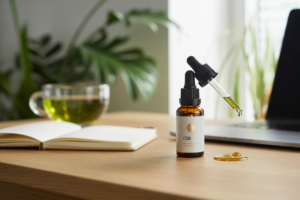
The result is a concentrated liquid that comes in a small glass bottle with a dropper. You measure your dose in drops or milliliters, which gives you far more control over how much you’re taking compared to smoking or eating an edible. Most tinctures contain between 100mg and 3000mg of total cannabinoids per bottle, with each dropper delivering a measured amount.
Tinctures come in several varieties. Full-spectrum tinctures contain the complete range of cannabinoids and terpenes from the plant. Broad-spectrum versions remove THC while keeping other compounds. And isolate-based tinctures contain only a single cannabinoid, usually CBD or THC.
Benefits of cannabis tinctures
The biggest advantage of cannabis tinctures is dosing precision. With a dropper, you can measure exactly how many milligrams of THC or CBD you’re consuming. That matters a lot when you’re trying to find your personal sweet spot, especially if you’re new to cannabis or using it for specific health reasons.
When used sublingually (under the tongue), tinctures also work faster than edibles. The mucous membranes under your tongue absorb cannabinoids directly into your bloodstream, bypassing the digestive system. You’ll typically feel effects within 15 to 30 minutes, compared to 60 to 90 minutes with edibles.
There’s also no smoke or vapor involved, which your lungs will appreciate. According to the American Lung Association, inhaling any combusted material can irritate lung tissue. Tinctures sidestep that entirely.
✓ Why people choose tinctures
- ✓ Precise dosing with a measured dropper
- ✓ Fast sublingual absorption (15-30 minutes)
- ✓ No smoke, no vapor, no lung irritation
- ✓ Discreet and portable with no odor
- ✓ Long shelf life (alcohol-based tinctures last years)
- ✓ Easy to mix into food or drinks
How to use cannabis tinctures
The standard method is sublingual. Fill the dropper, place the liquid under your tongue, and hold it there for 30 to 60 seconds before swallowing. This allows the cannabinoids to absorb through the thin tissue under your tongue and enter your bloodstream directly. It’s the fastest way to feel the effects of a tincture.
If the taste bothers you (alcohol-based tinctures can burn a bit), you can add your dose to a drink or food. Coffee, tea, smoothies, and salad dressings all work well. Keep in mind that when you swallow a tincture instead of absorbing it sublingually, it behaves more like an edible. Onset time increases to about an hour, and the effects may feel different because THC gets processed by your liver into 11-hydroxy-THC, which is more potent.
Some people also apply tinctures topically to sore muscles or joints. This approach won’t produce psychoactive effects but may provide localized relief, according to a 2020 study published in the Journal of Pain Research.
💡 Pro tip
Eat something fatty before or after taking a tincture. Cannabinoids are fat-soluble, so having some healthy fats in your system (avocado, nuts, olive oil) can improve absorption by up to 2.5 times, according to research from the University of Minnesota.
Cannabis tincture dosing guide
Getting the dose right is where most beginners struggle, and honestly, it’s the most important part. The standard advice is “start low and go slow,” and it’s worth following. Here’s a general framework:
Microdose (1-2.5mg THC): Subtle effects. Good for first-timers, mild anxiety relief, and improved focus. You might not even notice anything obvious, which is the point.
Low dose (2.5-5mg THC): Mild relaxation and mood lift. This is where most casual users find their comfort zone. Effective for sleep support and stress relief without heavy intoxication.
Moderate dose (5-15mg THC): Noticeable psychoactive effects. Experienced users often land here. Good for chronic pain management and deeper relaxation.
High dose (15-30mg+ THC): Strong effects. Only for experienced users with established tolerance. The CDC recommends caution at higher doses, especially for occasional users.
For CBD tinctures, the dosing range is broader because CBD isn’t intoxicating. Most people start at 10-25mg and adjust from there. The World Health Organization has noted that CBD is generally well-tolerated, even at higher doses. If you’re unsure where to start, try our CBD dosage calculator for a personalized recommendation.
📝 Important note
Wait at least two hours before taking a second dose, especially if you swallowed the tincture rather than using it sublingually. Cannabis edibles have a delayed onset that can catch people off guard. Taking more too soon is the most common dosing mistake.
THC vs CBD tinctures: which one is right for you?
This depends entirely on what you’re trying to achieve. THC tinctures produce psychoactive effects and are generally used for pain relief, appetite stimulation, sleep, and recreation. CBD tinctures won’t get you high and are popular for anxiety, inflammation, and general wellness.
There’s also a growing body of evidence for ratio tinctures that combine both cannabinoids. A 1:1 THC:CBD ratio, for example, may provide pain relief with fewer psychoactive side effects than THC alone. Research published in the European Journal of Pain supports the idea that cannabinoids work better together through what’s called the entourage effect.
If you’re curious about the differences between various cannabinoids, our breakdown of THC vs CBD covers the science in more detail. And if you want to understand how your body processes these compounds, check out our guide to the endocannabinoid system.
How to choose a quality cannabis tincture
Not all tinctures are created equal, and the market is flooded with products of varying quality. Here’s what to look for when shopping:
Third-party lab testing. Any reputable brand provides a Certificate of Analysis (COA) from an independent lab. This confirms the cannabinoid content matches the label and checks for contaminants like heavy metals, pesticides, and residual solvents. If a company doesn’t publish their COAs, move on. Our guide on how to read cannabis lab results can help you understand what to look for.
Extraction method. CO2 extraction is considered the gold standard because it produces a clean product without residual solvents. Ethanol extraction is also reliable. Avoid products that don’t disclose their extraction method.
Carrier oil. MCT oil (from coconut) is the most common and effective carrier because of its high bioavailability. Hemp seed oil and olive oil are also used. Alcohol-based tinctures (using food-grade ethanol) have a longer shelf life but a stronger taste.
Source material. Look for tinctures made from organically grown hemp or cannabis. The USDA’s hemp program provides some oversight for hemp-derived products in the United States, though regulation varies by country.
How to store cannabis tinctures properly
Proper storage makes a real difference in how long your tincture stays effective. Cannabinoids degrade when exposed to light, heat, and air. Here’s how to keep them in good shape:
Keep your tincture in its original dark glass bottle. The tinted glass filters UV light, which breaks down cannabinoids over time. Store it in a cool, dark place like a cabinet or drawer. Room temperature is fine for most tinctures. Alcohol-based tinctures are particularly stable and can last for several years when stored properly. Oil-based tinctures typically stay good for 12 to 18 months.
Always close the cap tightly after use. Oxygen exposure oxidizes cannabinoids and reduces potency over time. If you live in a warm climate, the refrigerator is a good option, though the oil may thicken. Just let it reach room temperature before dosing for easier measuring.
Cannabis tinctures vs other consumption methods
How do tinctures stack up against other ways to consume cannabis? Here’s a practical comparison:
Tinctures vs smoking/vaping: Tinctures take longer to kick in (15-30 minutes sublingual vs nearly instant for inhalation) but avoid any lung-related risks. The effects also last longer, typically 4 to 6 hours compared to 1 to 3 hours for smoking. For a deeper comparison of all methods, see our cannabis consumption methods guide.
Tinctures vs edibles: Both avoid inhalation, but tinctures offer faster onset (sublingual) and easier dose adjustment. With an edible, once you eat it, you’re committed to that dose. With a tincture, you can add a drop at a time. Edibles do tend to produce longer-lasting effects though, sometimes 6 to 8 hours.
Tinctures vs topicals: Different purposes entirely. Topicals work locally on the skin and don’t enter the bloodstream. Tinctures provide systemic effects. Some people use both, a tincture for general wellness and a topical for localized joint or muscle pain.
Potential side effects and safety considerations
Cannabis tinctures are generally well-tolerated, but they’re not without potential side effects. THC tinctures can cause dry mouth, red eyes, increased appetite, dizziness, and anxiety at higher doses. CBD tinctures have fewer side effects but may cause drowsiness, digestive discomfort, or interact with certain medications.
Drug interactions are worth paying attention to. CBD in particular can affect how your liver processes certain medications, including blood thinners and anti-seizure drugs. The FDA has flagged this as an area of ongoing research. If you take prescription medications, talk to your doctor before adding a cannabis tincture to your routine.
Pregnant or breastfeeding individuals should avoid cannabis tinctures entirely. The American College of Obstetricians and Gynecologists recommends against cannabis use during pregnancy due to potential effects on fetal development.
⚠️ Disclaimer
This article is for informational purposes only and does not constitute medical advice. The information provided is current as of February 2026 but may change. Always consult with qualified healthcare professionals for medical advice and treatment options. Cannabis laws vary by jurisdiction. For our full disclaimer, visit cannastoreams.gr/disclaimer.
Frequently asked questions
How long do cannabis tinctures take to work?
When taken sublingually (under the tongue), most people feel effects within 15 to 30 minutes. If you swallow the tincture or add it to food, expect 45 to 90 minutes for onset, similar to an edible.
Can you overdose on cannabis tinctures?
A fatal overdose from cannabis alone has not been documented. However, taking too much THC can cause very unpleasant effects including severe anxiety, paranoia, nausea, and elevated heart rate. This is why starting with a low dose matters. If you take too much, stay calm, hydrate, and wait it out. The effects will pass.
Do cannabis tinctures expire?
Yes, but they have a long shelf life compared to other cannabis products. Alcohol-based tinctures can last 3 to 5 years when stored properly in a cool, dark place. Oil-based tinctures typically stay good for 1 to 2 years. Degraded tinctures won’t be harmful but will lose potency over time.
Are cannabis tinctures legal?
It depends on where you live and what’s in the tincture. Hemp-derived CBD tinctures with less than 0.3% THC are legal in many countries and all 50 US states under the 2018 Farm Bill. THC tinctures are only legal in jurisdictions with medical or recreational cannabis laws. Always check your local regulations.
Can you make cannabis tinctures at home?
Yes, homemade tinctures are straightforward to make. The basic process involves decarboxylating your cannabis (heating it to activate the cannabinoids), then soaking it in high-proof food-grade alcohol for several weeks. Strain and store in a dark glass dropper bottle. The main downside of homemade tinctures is inconsistent dosing since you won’t have precise lab-tested measurements.