Knowing how to store cannabis properly is the difference between buds that stay fresh for months and buds that turn into dry, flavorless dust in weeks. Whether you just picked up an ounce from your local dispensary or you are sitting on a larger personal supply, the way you handle storage directly affects potency, flavor, and overall quality. Most people get this wrong, and the cost is real: degraded THC, lost terpenes, and sometimes even mold.
This guide breaks down everything you need to know about storing cannabis the right way. We will cover containers, environmental factors, common mistakes, and long-term preservation techniques backed by actual science, not bro-science.
📺 Video Guide
Why proper cannabis storage matters
Cannabis is a plant product, and like any organic material, it degrades over time. The active compounds that make cannabis valuable, cannabinoids like THC and CBD along with aromatic terpenes, are all vulnerable to environmental damage. A study published in the Journal of Pharmacy and Pharmacology found that cannabis stored improperly lost significant potency within just a few months.
Light, heat, air, and humidity are the four enemies. Each one triggers different types of degradation. UV light breaks down THC into CBN (a less psychoactive cannabinoid). Heat accelerates oxidation. Excess moisture invites mold and mildew. Too little moisture makes flower brittle, destroying trichomes, the tiny crystal-like structures where cannabinoids and terpenes are concentrated.
According to the United Nations Office on Drugs and Crime, THC degradation rates depend heavily on storage conditions, with poorly stored cannabis losing up to 16% of its THC content per year. Under optimal conditions, that number drops dramatically.
The best containers for storing cannabis
Your choice of container has the biggest single impact on how well your cannabis holds up. Not all containers are equal, and some popular options are actually terrible choices.
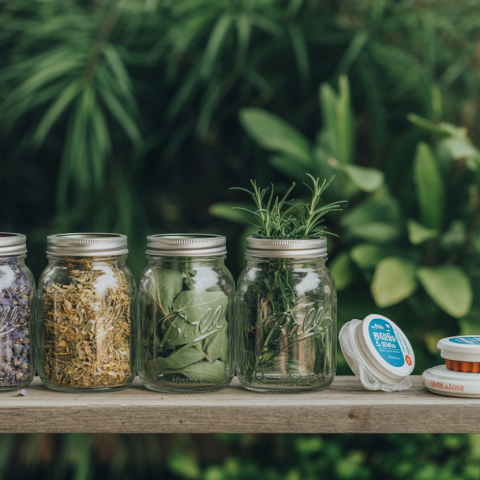
Glass mason jars are the gold standard for home cannabis storage. They are airtight, non-porous (meaning they will not absorb or transfer odors), and easy to clean. Wide-mouth mason jars in the pint or half-pint size work well for most personal quantities. If you can find amber or UV-blocking glass, even better. The FDA recognizes glass as one of the safest materials for food-grade storage, and the same principles apply to cannabis flower.
Specialty cannabis containers from brands like CVault use stainless steel with a silicone seal and a built-in humidity pack slot. These are more expensive but designed specifically for the job. The opaque material blocks all light, and the seal keeps air exchange to a minimum.
Plastic bags and containers are the worst option, though they are what most people default to. Plastic creates static that pulls trichomes off the flower. It is also slightly porous, letting air in over time. Ziplock bags are fine for a day or two in a pinch, but anything longer and you are asking for quality loss. The EPA notes that certain plastics can leach chemicals when exposed to heat, which is another reason to avoid them.
✓ Best container choices ranked
- ✓ Amber glass mason jars (best balance of cost and performance)
- ✓ Stainless steel cannabis vaults with humidity control
- ✓ Ceramic containers with airtight silicone seals
- ✓ UV-resistant glass jars with rubber gaskets
Temperature: the silent potency killer
Temperature control is something most people overlook. Cannabis should be stored between 15°C and 21°C (60°F to 70°F). Go above that range and you speed up the decarboxylation process, which converts THCa into THC and then THC into CBN. That might sound technical, but the bottom line is simple: heat makes your cannabis weaker over time.
Temperatures above 25°C (77°F) also create conditions where mold and mildew thrive, particularly when combined with elevated humidity. Research from NCBI has documented Aspergillus contamination in cannabis stored in warm, humid environments, which poses real health risks, especially for immunocompromised users.
What about the freezer? This is one of the most debated topics in cannabis storage. Freezing does slow degradation, but it also makes trichomes extremely brittle. Open a frozen jar and those crystal-covered trichomes snap off with the slightest movement. Unless you are storing cannabis for six months or longer and plan to handle it very carefully, room temperature in a cool, dark spot is the better approach.
💡 Pro tip
Avoid storing cannabis near appliances that generate heat, like ovens, radiators, or electronics. Even a spot on top of a refrigerator can get surprisingly warm. A closet shelf or a drawer in a room that stays cool is usually ideal.
Humidity control: the 58-62% sweet spot
Relative humidity (RH) is arguably the most important factor in cannabis storage, and it is the one that trips up even experienced consumers. The target range is 58% to 62% RH. Within that window, cannabis retains its moisture content, stays pliable, and maintains the terpene profile that gives each strain its unique smell and taste.
Drop below 55% and the flower dries out. Trichomes become fragile. The smoke gets harsh. Go above 65% and you are creating a welcome mat for mold growth. Aspergillus, Botrytis (gray mold), and Penicillium are the most common culprits in cannabis, and all of them thrive in high-humidity environments.
Two-way humidity packs (like Boveda or Integra Boost) are the easiest solution. These packs absorb excess moisture when humidity is too high and release moisture when it is too low. Drop a 62% pack into your jar and forget about it. They typically last two to four months before needing replacement, and you can tell they need replacing when they feel stiff and crunchy instead of soft and pliable.
For those who want precision, a small digital hygrometer placed inside your storage container gives you an exact RH reading. These run about $10 to $15 and are a worthwhile investment if you are storing larger amounts.
Light exposure and how to block it
Light, particularly UV light, is the single biggest factor in cannabinoid degradation over time. A study from the University of London found that light exposure was the primary cause of cannabinoid breakdown, more damaging than heat or oxidation alone.
UV rays work by breaking the molecular bonds in cannabinoids. THC degrades into CBN, which has mild sedative properties but none of the psychoactive effects most users are looking for. Terpenes, the compounds responsible for aroma and flavor, are equally vulnerable.
The fix is simple: keep your cannabis in the dark. If you are using clear glass jars, store them inside a cabinet, drawer, or opaque bag. Better yet, use amber or violet glass, which filters out the most damaging wavelengths. Think of it like wine storage: there is a reason wine bottles are dark colored.
Air exposure and oxidation
Oxygen accelerates the degradation of both cannabinoids and terpenes through oxidation. Every time you open a jar, you are introducing fresh oxygen. Over time, this converts THC into CBN and breaks down the terpene profile.
The solution is twofold. First, use airtight containers, something with a solid rubber or silicone gasket. Second, match your container size to your supply. A half-empty quart jar has a lot of trapped air in it. Transferring to a smaller jar that is nearly full reduces the oxygen exposure significantly. According to research published by the American Chemical Society, minimizing headspace in storage containers is one of the most effective ways to slow oxidation.
For long-term storage, vacuum sealing removes almost all air from the container. This is especially useful if you are taking a tolerance break and want to preserve your supply for several months. Vacuum-sealed cannabis in a dark, cool environment can maintain quality for a year or more.
📝 Important note
If you vacuum seal cannabis, be careful not to crush the buds. Use a gentle seal setting if your machine has one, or place buds in a jar first and then vacuum seal the jar. Crushed trichomes mean lost potency.
How to store different cannabis products
Not all cannabis products have the same storage requirements. Flower, concentrates, edibles, and tinctures each need slightly different approaches.
Flower: Follow everything outlined above. Glass jar, 58-62% RH, cool and dark. This is the most sensitive product type because trichomes are exposed and fragile.
Concentrates like wax, shatter, and live resin should be stored in small glass or silicone containers in the refrigerator. Cold temperatures keep concentrates stable and prevent them from melting into a sticky mess. Parchment paper works for short-term handling, but do not leave concentrates on parchment for weeks since terpenes can leach into the paper.
Edibles follow standard food storage rules. Check the packaging for the manufacturer’s recommendations. Most cannabis-infused beverages and baked goods should be refrigerated after opening. Gummies and hard candies are more shelf-stable but still benefit from cool, dark storage.
Tinctures and oils are typically the most shelf-stable cannabis products. Alcohol-based tinctures can last for years when stored properly. Keep them in their original dark glass bottles, away from light and heat. The World Health Organization recognizes CBD as having a good stability profile when stored correctly.
Common storage mistakes to avoid
Even people who know the basics still make avoidable mistakes. Here are the most common ones and why they matter:
Storing in the original dispensary packaging. Those plastic pop-top containers and mylar bags are designed for transport, not preservation. Transfer to glass as soon as you get home.
Mixing strains in one container. Different strains have different terpene profiles. Storing them together causes the aromas to blend, and you lose the distinct character of each. Keep separate strains in separate jars.
Handling buds with bare hands. The oils on your skin transfer to trichomes and can accelerate degradation. If you are regularly reaching into your jar, use tweezers or a small scoop. This sounds excessive, but it makes a real difference over weeks and months.
Using the refrigerator for flower. While refrigerators maintain a good temperature, they also have fluctuating humidity levels every time the door opens. The constant humidity shifts can stress the flower. Concentrates do fine in the fridge, but flower generally does not.
Leaving jars near windows. Even indirect sunlight through a window delivers enough UV radiation to degrade cannabinoids. The National Cancer Institute notes that UV radiation penetrates glass, so a window sill is one of the worst storage spots you could choose.
Long-term storage: keeping cannabis fresh for months
If you need to store cannabis properly for three months or longer, you will want to take a few extra steps beyond basic storage. These techniques come from both the cannabis industry and food preservation science.
Vacuum seal plus mason jar: Place your cannabis in a mason jar, drop in a 62% humidity pack, close the lid, and then vacuum seal the entire jar inside a bag. This creates a double barrier against oxygen and moisture.
Nitrogen flushing: Commercial producers use nitrogen to displace oxygen in packaging. You can approximate this at home with canned air (the kind used for cleaning electronics), though purpose-built nitrogen canisters for food preservation are more effective. The USDA recognizes nitrogen flushing as a safe, standard food preservation technique.
Controlled freezing (for 6+ months only): If you absolutely must freeze cannabis, use these precautions. First, vacuum seal it. Second, do not open the container until the cannabis has returned to room temperature; opening frozen buds introduces condensation. Third, handle minimally because frozen trichomes are brittle.
With proper techniques, cannabis flower can maintain 80-90% of its original potency for up to two years. That figure comes from testing data shared at Cannabis Science Conference presentations, where researchers tracked THC levels in samples stored under controlled conditions.
✓ Long-term storage checklist
- ✓ Use amber or opaque glass mason jars
- ✓ Add a 62% two-way humidity pack
- ✓ Fill jar to 75-80% capacity to minimize air
- ✓ Store in a dark location at 15-21°C
- ✓ Vacuum seal for storage beyond 3 months
- ✓ Check humidity packs every 2-3 months
How to tell if your cannabis has gone bad
Cannabis does not “expire” in the way milk or meat does, but it can degrade to the point where it is unpleasant or even unsafe to consume. Here is what to look for:
Smell: Fresh cannabis has a distinct, complex aroma. If it smells musty, like a wet basement, that is likely mold. No smell at all usually means the terpenes have evaporated, leaving behind a less effective product.
Texture: Properly stored cannabis should be slightly springy when squeezed. If it crumbles to dust between your fingers, it is over-dried. If it feels damp or spongy, it has too much moisture and may be growing mold.
Appearance: Look closely at the buds. White, fuzzy patches or grey powdery spots are signs of mold. Do not confuse mold with trichomes, though. Trichomes look like tiny, clear or amber mushroom-shaped crystals under magnification. Mold looks like cobwebs or powder. If you are unsure, a cheap jeweler’s loupe (30x magnification) makes identification easy.
Smoke quality: Old, degraded cannabis produces a harsh, unpleasant smoke with little flavor. If your usually smooth strain suddenly tastes like burning hay, storage conditions are the likely culprit.
Storing cannabis safely at home
Beyond quality preservation, safe storage is a responsibility. If you live with children, pets, or roommates who do not consume cannabis, you need to take precautions.
The American Academy of Pediatrics has raised concerns about accidental cannabis ingestion by children, particularly with edibles that look like regular candy or snacks. Use child-resistant containers and store them in locked cabinets or boxes that are out of reach.
Cannabis for seniors requires the same care: keep products labeled, organized, and separate from regular medications to avoid confusion. Lockable storage boxes designed for medications work well for cannabis too.
⚠️ Disclaimer
This article is for informational purposes only and does not constitute medical advice. The information provided about cannabis storage is current as of March 2026 but may change. Always consult with qualified healthcare professionals for medical advice and treatment options. Cannabis laws vary by jurisdiction. For our full disclaimer, visit cannastoreams.gr/disclaimer.
Frequently asked questions
How long does cannabis stay fresh when stored properly?
When stored in an airtight glass container with a humidity pack at 58-62% RH in a cool, dark place, cannabis flower can stay fresh for 6 to 12 months. With vacuum sealing and ideal conditions, some users report maintaining good quality for up to two years, though there will always be some gradual potency loss.
Should I store cannabis in the refrigerator or freezer?
The refrigerator is generally not recommended for flower because humidity fluctuates every time the door opens. The freezer can work for very long-term storage (6+ months) but makes trichomes brittle. If you freeze cannabis, vacuum seal it first and let it return to room temperature before opening. For most people, a cool closet or drawer works better.
What is the ideal humidity level for cannabis storage?
The ideal relative humidity for storing cannabis is between 58% and 62%. Below 55%, the flower dries out and loses terpenes. Above 65%, you risk mold growth. Two-way humidity packs like Boveda 62% or Integra Boost are the easiest way to maintain this range.
Can I use plastic bags to store cannabis?
Plastic bags are one of the worst storage options. They create static that pulls trichomes off the flower, they are slightly porous (allowing air exchange), and some plastics can leach chemicals. Use glass mason jars or specialty cannabis containers instead. If you must use plastic temporarily, limit it to a day or two.
How can I tell if my stored cannabis has mold?
Mold appears as white, fuzzy patches or grey powdery spots on cannabis buds. It often has a musty, basement-like smell. Do not confuse mold with trichomes: trichomes are clear or amber and look like tiny mushroom shapes under magnification, while mold looks like cobwebs or powder. A 30x jeweler’s loupe makes it easy to tell the difference. If you find mold, discard the affected cannabis entirely.