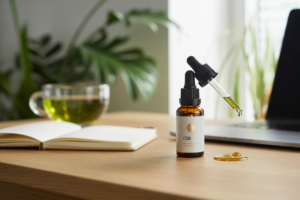
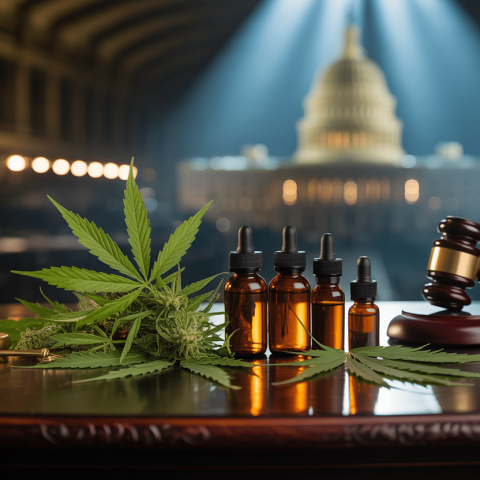
In a stunning reversal that threatens a $28 billion industry, President Trump signed legislation on November 12, 2025, that effectively bans the vast majority of hemp-derived THC and CBD products. Hidden within a government shutdown-ending spending bill, the new law redefines “hemp” with such restrictive THC limits that over 90% of currently legal CBD products—including tinctures, gummies, pet treats, and topicals—will become federally illegal within one year.
If you use CBD for pain relief, anxiety, or any medical condition—or if you work in the hemp industry—this directly impacts you. Here’s everything you need to know about the ban, why it happened, and what comes next.
The Ban Explained: 0.3% to 0.4mg Changes Everything
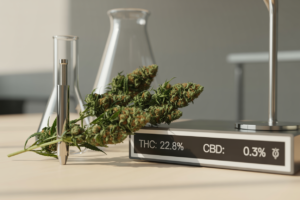
The new law, buried in H.R. 5371—the spending bill that ended the longest government shutdown in U.S. history—fundamentally rewrites what “hemp” means under federal law. Instead of the 2018 Farm Bill’s 0.3% delta-9 THC limit based on dry weight, products must now contain no more than 0.4 milligrams of total THC per container.
What’s Different: Old vs. New Standard
- ✓ OLD (2018 Farm Bill): 0.3% delta-9 THC by dry weight
- ✓ NEW (H.R. 5371): 0.4mg total THC per container
- ✓ “Total THC” now includes delta-8, delta-10, THCa, and ALL cannabinoids
- ✓ Bans any cannabinoid “synthesized or manufactured outside the plant”
- ✓ Takes effect November 12, 2026 (one year from signing)
To understand how drastic this is: a standard 30ml CBD tincture at 0.3% THC contains about 9mg of THC—22 times over the new legal limit. Even “THC-free” CBD isolate products often contain trace amounts above 0.4mg when tested at the container level.
💡 Why 0.4mg Kills CBD
According to the U.S. Hemp Roundtable, more than 90% of non-intoxicating CBD products exceed 0.4mg per container. This includes mainstream products sold at Whole Foods, CVS, and Walgreens—products people rely on for chronic pain, anxiety, epilepsy, and more.
What Products Are Banned?
The new law’s language is so broad that it captures nearly every consumable hemp product currently on the market, including products that have been federally legal since the 2018 Farm Bill.
⚠️ Products Facing the Ban
- • CBD Products: Tinctures, gummies, capsules, topicals, vapes
- • Pet Products: CBD dog treats, cat supplements
- • Delta-8/Delta-10: All products (explicitly banned)
- • THCa Products: Flower, pre-rolls, concentrates
- • Hemp Beverages: CBD drinks, THC-infused seltzers
- • Full-Spectrum CBD: Any product with naturally occurring THC
According to Axios, the only products potentially safe are industrial hemp fibers, textiles, building materials, and CBD isolate products with lab-certified zero THC—a tiny fraction of the market.
How Did This Happen? McConnell vs. Paul
The ban emerged as a last-minute addition to the government spending bill, championed by Sen. Mitch McConnell (R-KY) and fiercely opposed by his Kentucky colleague, Sen. Rand Paul (R-KY). The political fight exposed deep divisions within both parties over hemp policy.
Timeline: From Shutdown to Hemp Ban
- November 8, 2025: Government enters longest shutdown in U.S. history
- November 10, 2025: McConnell adds hemp provision to spending bill
- November 11, 2025: Senate votes 76-24 to block Rand Paul’s amendment to remove ban
- November 12, 2025: House passes bill 222-209; Trump signs into law
- November 12, 2026: Ban takes effect (365-day implementation period)
Sen. Rand Paul called the provision “the most thoughtless, ignorant proposal to an industry that I’ve seen in a long, long time,” arguing that “the numbers put forward in this bill will eliminate 100% of the hemp products in our country.”
McConnell defended the ban, claiming companies have “exploited” a loophole by “taking legal amounts of THC from hemp and turning it into intoxicating substances.” Only 24 senators—including Rand Paul, Ted Cruz, and 22 Democrats—voted to preserve the hemp industry.
The Economic Devastation: A $28 Billion Industry at Risk
The hemp industry has grown explosively since the 2018 Farm Bill legalized it. Now, thousands of businesses, farmers, and workers face an existential threat.
📊 By the Numbers
- $28 Billion: Current U.S. hemp industry value (2022)
- $47 Billion: Projected industry value by 2032 (now at risk)
- $5.5 Billion: Texas hemp industry alone
- 53,000: Texas hemp industry jobs
- 8,500: Hemp businesses in Texas
- 15%: U.S. hemp production from Texas
CNBC reports that the ban raises fears of mass layoffs and black market growth. Minnesota, Kentucky, Utah, and Texas—states with the largest hemp infrastructure—face the steepest economic fallout.
Ironically, four of the top five hemp-growing states are deep red: Texas, Kentucky, Nebraska, and Kansas. These states passed hemp-friendly regulations in coordination with their industries, only to see federal law supersede all that work.
Big Alcohol vs. Hemp: The Hidden War
Industry insiders point to a troubling reality: the alcohol industry views hemp-derived beverages—CBD drinks, THCa seltzers—as direct threats to bar space, shelf space, and consumer dollars. Big Alcohol donates heavily to both Republicans and Democrats, giving them bipartisan leverage.
⚠️ Friendly Fire from Cannabis Industry
But alcohol isn’t the only culprit. Some state-licensed cannabis businesses, frustrated by regulatory burdens that hemp companies avoid, actually lobbied for the hemp ban as a way to eliminate competition. This internal division—hemp vs. cannabis—weakened the industry’s unified voice when it mattered most.
The distinction between “hemp” (under 0.3% THC) and “cannabis” (over 0.3% THC) is a recent legal invention, not a natural one. Both are varieties of the same plant, domesticated over 12,000 years ago. The split only serves to divide and weaken the industries fighting for legalization.
The Fight Isn’t Over: 365 Days to Reverse the Ban
The ban doesn’t take effect until November 12, 2026—one year from signing. That gives the hemp and cannabis industries 365 days to mobilize, lobby Congress, and push for repeal or reform. The U.S. Hemp Roundtable calls it “365 days to regulate, not ban.”
🎯 How to Fight Back
- Call Congress: Main switchboard 202-224-3121
- Script: “I’m calling to ask [Rep/Sen NAME] to support a repeal of the hemp and CBD ban. This affects me because [YOUR REASON].”
- Support Hemp Businesses: Buy hemp products now to keep businesses alive
- Join the Movement: One Plant Alliance unites hemp and cannabis advocates
- Look to Texas: Texas successfully fought off a hemp ban in 2025—the blueprint exists
Sen. Chris Van Hollen (D-MD) and other lawmakers are already pushing for exemptions for states with existing hemp regulations. Marijuana Moment reports that some states are exploring rebellion against the federal ban.
Texas offers the blueprint. In 2025, Texas hemp advocates—businesses, farmers, medical patients, veterans—lobbied the state legislature relentlessly and successfully beat back a similar ban. The lesson: unified, sustained pressure works.
Why Cannabis and Hemp Must Unite
The hemp ban isn’t just about hemp—it’s a shot across the bow at every state that legalized marijuana in the last decade. Nearly all CBD products will soon fall under the Controlled Substances Act, giving the DEA enforcement power over both hemp and cannabis. We’re all at risk now.
🌱 One Plant, One Fight
Hemp and cannabis aren’t enemies—they’re varieties of the same plant. The 0.3% THC distinction is arbitrary, a legal invention that only serves to divide us. When united, the hemp and cannabis industries have real power. When divided, Big Alcohol, Big Pharma, and corporate consolidators win.
The problem isn’t hemp vs. cannabis. The problem is a dual regulatory system that pits us against each other instead of creating one fair, unified marketplace.
Over-regulation and taxation have already crippled the cannabis sector. Many cannabis businesses expanded into hemp to diversify—that lifeline just got cut. A death blow to CBD doesn’t just hurt hemp; it accelerates the collapse of thousands of businesses across the entire cannabis-hemp spectrum.
Conclusion: The Clock Is Ticking
The hemp ban is catastrophic, but it’s not inevitable. We have 365 days to fight back—to call Congress, support hemp businesses, and demand a unified regulatory system that works for everyone.
If you’ve ever used CBD for pain, anxiety, or any condition—if you work in hemp or cannabis—if you believe in the plant’s potential—now is the time to act. The clock is ticking, and silence means defeat.
This plant belongs to The People. We’ve come too far and fought too hard to back down now.
📝 Legal Disclaimer
This article is for informational purposes only and does not constitute legal advice. Hemp and cannabis laws vary by jurisdiction and are rapidly changing. Always consult with a qualified attorney for legal guidance specific to your situation. The ban takes effect November 12, 2026.
Stay Informed and Fight Back
The hemp industry needs your voice. Follow our Breaking News section for updates on the fight to repeal the ban, legislative developments, and action alerts.
Support the Industry: Visit Puff ‘n Pass to browse legal hemp-derived products while you still can. Every purchase helps businesses survive until we win this fight.