The hemp flower ban Greece introduced in 2026 changed the practical CBD market more than any single rule in recent years. For shoppers, the headline is simple: dried hemp or CBD flower is no longer a normal retail product in Greece, even when it is advertised as low THC. For wellness brands, CBD shops, vape retailers, and e-commerce operators, the shift is bigger than a product delisting. It changes stock planning, customer education, staff training, packaging language, and the way compliant CBD alternatives should be presented.
This guide explains what changed, what remains available, and how to think clearly about CBD purchases after the ban. It is written for adults who want responsible, practical information, not hype. Greek rules can move quickly, so buyers should always check current product labels, lab certificates, and official notices before buying or travelling with any cannabis-derived item.
Hemp Flower Ban Greece: What Changed
The key change is that consumer-facing dried flower from Cannabis sativa L. is treated differently from processed CBD products. Reporting on Greece’s 2026 framework described a nationwide retail crackdown on cannabis and hemp flower products, including low-THC CBD buds sold directly to consumers, while the National Organization for Medicines, EOF, published an announcement on dried flower retail restrictions. International coverage from Greek Reporter and Business of Cannabis described the measure as a ban on retail hemp flower sales, not a blanket ban on every CBD format.
That distinction matters. A bottle of CBD oil, a balm, a cosmetic product, or another processed low-THC product sits in a different compliance category from a jar of dried buds. Consumers often used to rely on THC percentage as the main question. After the ban, product form matters first. If the product is dried flower offered to the general public, low THC does not automatically make it a lawful retail item.
✓ Quick Takeaways
- ✓ Dried hemp or CBD flower is the product category affected most directly.
- ✓ Non-flower CBD formats remain the practical route for most shoppers.
- ✓ THC limits still matter, but they do not rescue consumer flower sales.
- ✓ Brands need documentation, compliant labels, and staff training.
Why Flower Is Treated Differently
Regulators are not only looking at cannabidiol as an ingredient. They are looking at the product’s presentation, likely use, and enforcement risk. Dried flower looks, smells, and handles like high-THC cannabis, even when lab reports show a low THC level. That makes it harder for inspectors, police, and consumers to distinguish compliant hemp from recreational cannabis at the point of sale or possession.
There is also a broader European debate around non-intoxicating hemp products, novel cannabinoids, synthetic cannabinoid contamination, and youth-facing retail. HempToday has framed Greece’s move as part of wider pressure on the hemp sector, while Newsweed reported European concerns about restricting hemp flower despite internal market arguments. For a shopper, the policy debate is interesting, but the day-to-day rule is more practical: do not treat dried CBD flower as a normal wellness retail product in Greece.
What CBD Shoppers Can Still Consider
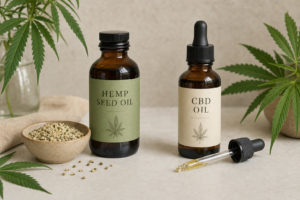
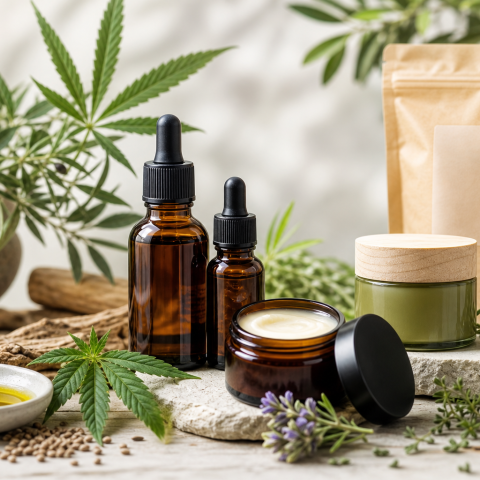
The ban does not mean every CBD product disappears. Shoppers can still look at non-flower options, especially products with clear batch information and transparent lab testing. Common alternatives include CBD oils, topical creams, balms, cosmetic products, and some vaping or wellness formats where local rules and product-specific regulations allow them. If you are comparing CBD oil options, our CBD in Greece legal buying guide is a useful next read.
Always ask three questions before buying. First, what product form is it? Second, what does the certificate of analysis say about THC and contaminants? Third, are the label claims reasonable, or is the product being sold with medical promises that should make you cautious? The FDA’s cannabis and CBD consumer information is not Greek law, but it is a useful reminder that CBD products should not be treated as risk-free or as substitutes for medical advice.
If you previously bought CBD buds for relaxation rituals, consider replacing the ritual rather than trying to find a legal loophole. A measured oil, a topical routine after exercise, or a non-cannabinoid herbal tea can preserve the wellness habit without putting you in a category regulators have clearly targeted. For sleep-focused questions, see our CBD and melatonin sleep guide.
💡 Pro Tip
If a product’s main selling point is “it looks like cannabis but is legal,” be extra careful. After the hemp flower ban Greece shoppers should prefer products that are clearly processed, labelled, tested, and sold for a specific lawful use.
THC Limits, Lab Reports, and the 0.3 Percent Question
Greece’s hemp discussion now often references the EU agricultural threshold of 0.3% THC. Regulation (EU) 2021/2115 is widely cited because the Common Agricultural Policy moved industrial hemp eligibility toward the 0.3% THC standard. But consumers should not reduce the whole issue to one percentage. A product can be low THC and still fall into a prohibited form if it is dried flower sold directly to consumers.
For processed products, lab reports still matter. A certificate of analysis should show cannabinoid levels, batch number, test date, and ideally contaminant screening for pesticides, heavy metals, solvents, and microbial issues. Our guide to reading cannabis lab results explains how to check the basics before you buy. If a shop cannot explain the batch, the cannabinoid profile, or the product’s intended category, treat that as a red flag.
EU Novel Food Rules Still Matter
CBD compliance is not only a Greek issue. In the EU, CBD and cannabinoid-containing foods sit inside the Novel Food conversation. The European Commission’s Novel Food framework requires pre-market authorization for foods that were not consumed to a significant degree before 15 May 1997. The Commission has also published decisions terminating some CBD novel food procedures, which is why ingestible CBD claims deserve caution.
EFSA has taken a conservative scientific position too. Its updated communication on cannabidiol notes a provisional safe level for cannabidiol as a novel food, while its earlier CBD FAQ highlights unresolved safety questions around liver effects, interactions, and other data gaps. For shoppers, this means labels that promise dramatic health outcomes should be viewed critically.
Compliance Checklist for Wellness Brands
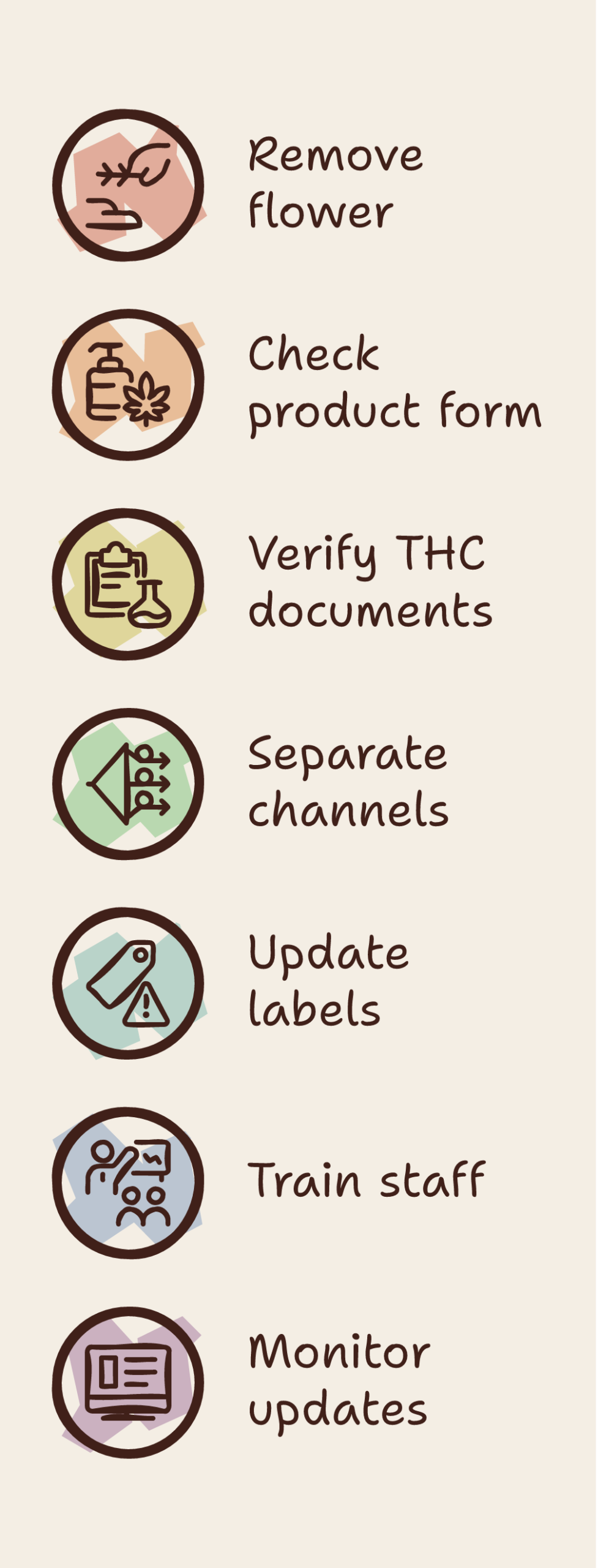
For retailers and wellness brands, the safest response is operational clarity. Remove dried flower from consumer-facing shelves and online listings. Keep processed product categories separate. Review all claims, especially words like cure, treat, prescription, legal high, or pain relief. If you sell topicals, cosmetics, or oils, make sure the product’s regulatory category, lab records, and label language match the channel where it is sold.
Staff training matters because customers will ask why CBD flower disappeared. A calm explanation is better than improvisation: Greek retail rules changed for dried flower, but compliant non-flower CBD formats may still be available. For penalties and enforcement context, our Greece cannabis penalties guide gives broader background on why casual assumptions can be risky.
Safer Buying Habits After the Ban
The most useful consumer habit is to slow down before buying. Avoid anonymous online sellers, especially those shipping flower into Greece with vague customs language. Prefer retailers that can explain product form, batch testing, THC level, and intended use. If you are new to CBD, start with education before experimentation. Our CBD beginner guide explains how to approach products gradually and responsibly.
Health context matters too. CBD can interact with medicines, especially drugs metabolized through liver enzyme pathways. The CDC’s cannabis health effects information and the National Academies review hosted by NCBI are helpful background resources for understanding why cannabis-derived products should be treated with care, even when they are marketed as wellness products.
📝 Important Note
Do not travel with dried CBD flower in Greece because it looks like the exact product category regulators have restricted. Keep receipts and lab documents for compliant processed products.
What to Watch Next
The market will keep adjusting. Watch for future EOF notices, court challenges, EU-level discussions, and changes in how inspectors treat product categories. If Greece clarifies industrial processing, pharmacy distribution, or cosmetic and food pathways, brands will need to adjust again. For now, the cleanest position is this: the hemp flower ban Greece shoppers face is real, dried flower is not a safe retail purchase, and non-flower CBD products require the same careful label and lab review they always did.
The best businesses will not try to hide the change. They will explain it clearly, remove confusing flower-style listings, and guide adults toward compliant, transparent wellness products. The best shoppers will do the same from the other side: ask better questions, avoid grey-market shortcuts, and choose documentation over promises.
⚠️ Disclaimer
This article is for informational purposes only and does not constitute medical or legal advice. The information about medical cannabis and CBD rules in Greece is current as of July 2026 but may change. Always consult qualified healthcare professionals for medical advice and appropriate legal professionals for legal questions. For our full disclaimer, visit cannastoreams.gr/disclaimer.
Frequently Asked Questions
Is CBD flower legal to buy in Greece after the 2026 ban?
Dried hemp or CBD flower is no longer a safe retail product for consumers in Greece. The ban targets dried flower regardless of low-THC positioning.
Can I still buy CBD oil in Greece?
Processed non-flower CBD products may still be available when they comply with THC limits and product-specific rules. Check lab reports, labels, and seller transparency.
Does 0.3% THC make hemp flower legal?
No. The 0.3% threshold is relevant to industrial hemp and some compliance discussions, but dried flower retail restrictions are based on product form, not only THC percentage.
What should wellness brands do now?
Remove consumer flower listings, review non-flower product categories, keep lab documentation, update staff scripts, and avoid medical or misleading legal claims.
Should tourists carry CBD flower in Greece?
No. Dried flower is exactly the product category most likely to create problems. Tourists should avoid carrying it and should keep documents for compliant processed products.