A practical CBD microdosing guide starts with one boring but powerful idea: smaller, consistent doses are easier to understand than one big guess. For adults exploring CBD for general wellness, stress routines, sleep hygiene, or post-workout calm, microdosing means using a measured amount, tracking the response, and changing only one variable at a time. It is not a promise of treatment, and it is not a shortcut around medical advice. It is simply a cleaner way to learn how your body responds while keeping safety front and center.
⚠️ Disclaimer
This article is for informational purposes only and does not constitute medical advice. Product laws, cannabinoid rules, and wellness guidance can change, and this article reflects general consumer education as of August 2026. Speak with a qualified healthcare professional before using CBD if you take medication, have a medical condition, are pregnant, are breastfeeding, or have concerns about liver health, sedation, or drug interactions.
CBD Microdosing Guide: What It Means
CBD microdosing means taking a very small amount of cannabidiol and repeating that amount on a simple schedule, instead of taking a larger dose and hoping it lands well. The goal is control. You want to notice whether the product feels neutral, calming, too sleepy, or not useful at all. Because CBD responses vary by person, product format, meal timing, body weight, metabolism, and medication use, copying someone else’s exact routine is usually a bad plan.
The World Health Organization cannabidiol review describes pure CBD as generally well tolerated, but that does not mean every CBD product is risk-free. The FDA consumer update on CBD warns about liver injury, drowsiness, drug interactions, and unreliable product claims. Those two ideas can both be true: CBD may be non-intoxicating and well tolerated for many adults, while still deserving a cautious, measured approach.
If you are new to this category, start with education first. Our internal CBD in Greece legal buying guide explains why product source, labeling, and compliance matter before you even think about dose.
✓ Why People Use Microdosing
- ✓ Easier to identify the lowest useful amount
- ✓ Lower chance of unwanted drowsiness from taking too much at once
- ✓ Better tracking for sleep, stress, focus, or recovery routines
- ✓ More consistent timing compared with occasional large doses
Start Low, Then Change One Thing at a Time
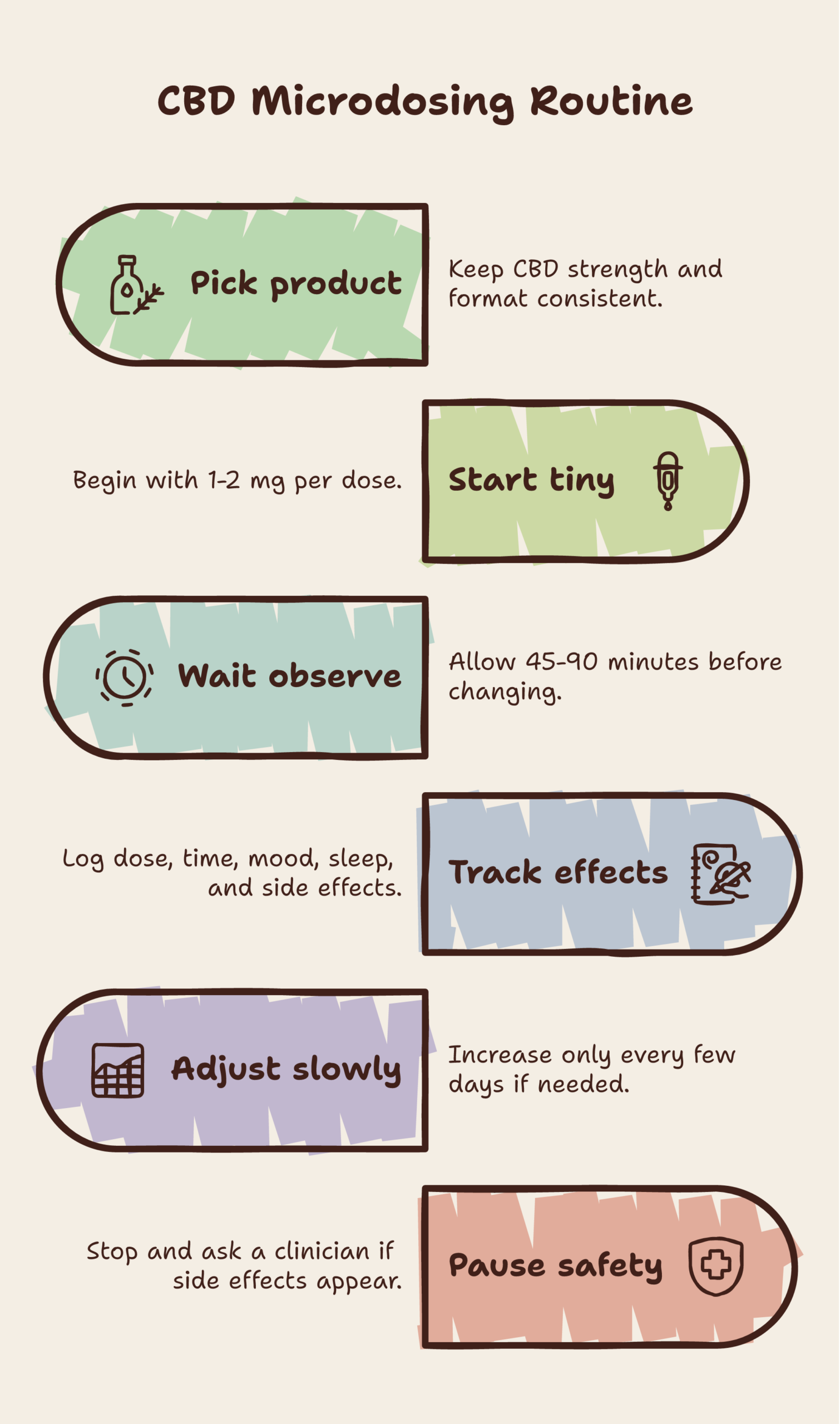
A sensible microdosing routine begins with a tiny amount, often around 1-2 mg of CBD for a first trial, then holds steady long enough to see a pattern. Some experienced CBD users may begin higher, but beginners should resist the urge to rush. If you change dose, timing, food intake, and product type all at once, your notes become useless. You will not know what helped, what caused drowsiness, or what made no difference.
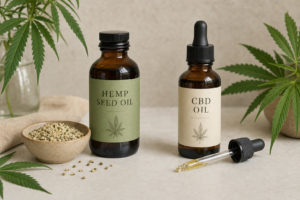
CBD oil is usually easier to microdose than gummies because a dropper lets you work in smaller increments. A gummy may be convenient, but it often comes in fixed servings that are harder to split accurately. If your bottle says how many milligrams of CBD are in each milliliter, you can estimate milligrams per drop by dividing the milligrams per milliliter by roughly 20 drops. That is an estimate, not laboratory precision, but it is better than guessing.
For adults who prefer oils, products like Anti Stress 20 Broad Spectrum CBD Oil or CBD Drops Olive Oil 3 10ml are the type of format where label reading matters. Look for total CBD, bottle volume, suggested serving, and whether the product is broad-spectrum, full-spectrum, or isolate.
Timing: Oils, Edibles, Meals, and Patience
Timing is where many CBD routines go sideways. Sublingual oils are often felt sooner than swallowed products, while edibles can take longer because digestion changes the timeline. A review in Frontiers in Pharmacology discusses CBD pharmacokinetics and why oral absorption can be variable. Another review available through PubMed on CBD bioavailability notes that food, especially high-fat meals, can meaningfully affect exposure.
Practically, this means you should wait before deciding a microdose did nothing. With oil held under the tongue, many consumers give it at least 45 minutes before judging. With gummies or capsules, waiting 90-120 minutes is more realistic. Taking more too soon is the classic beginner mistake. It can turn a careful experiment into an afternoon of unwanted sleepiness.
If you want a deeper comparison of formats, our CBD edibles vs oil guide covers onset, duration, and safety in more detail.
💡 Pro Tip
Use the same CBD product, same time window, and same meal pattern for three days before adjusting. Consistency makes your notes useful.
How to Track Effects Without Overthinking It
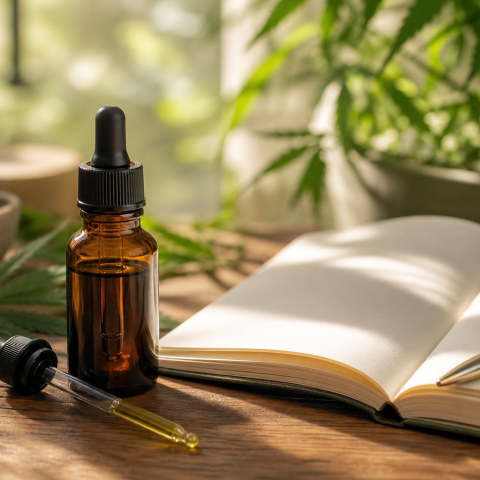
A CBD microdosing guide is only as good as the feedback loop behind it. You do not need a complicated spreadsheet. A simple note on your phone is enough: date, time, product, estimated milligrams, whether you had food, what you hoped to support, and what you noticed after one hour and before bed. Rate the target feeling from 1 to 5. Did stress feel easier to manage? Did your body feel calmer after training? Did sleep improve, or did you wake up groggy?
For anxiety-style routines, avoid treating CBD like an emergency button. Our CBD for anxiety evidence guide explains why timing, expectations, and safety boundaries matter. For sleep routines, be extra careful if you combine CBD with other calming supplements. Our CBD and melatonin guide covers that pairing in more depth.
Your tracking should also include negatives. Drowsiness, stomach discomfort, dry mouth, vivid dreams, headache, or mood changes are all worth writing down. If a pattern repeats, reduce the dose, pause, or ask a clinician. Good wellness routines are supposed to make life easier, not turn you into a part-time lab assistant.
Safety Checks Before You Build a Routine
The strongest reason to microdose is not trendiness. It is risk control. The FDA CBD food safety page highlights concerns around liver effects, medication interactions, male reproductive toxicity signals in animal studies, and sedation. The prescription CBD medicine Epidiolex also lists important warnings in its FDA-approved label, including liver enzyme elevations and sleepiness at therapeutic doses.
This does not mean a low-dose wellness product behaves like prescription-strength CBD. It means the safety categories are real. Be more cautious if you use blood thinners, anti-seizure medicines, antidepressants, sedatives, alcohol, or medications with grapefruit warnings. CBD can affect liver enzymes involved in drug metabolism, a topic reviewed in medical literature including NCBI resources on cannabinoid drug interactions.
Driving is another boundary. The CDC cannabis and driving guidance focuses mainly on THC impairment, but consumers should still avoid driving if they feel sleepy, slowed, distracted, or impaired after any cannabinoid product. CBD products can also be mislabeled or contain trace THC, so do not treat the label as a license to take risks.
📝 Important Note
If you take prescription medication, do not use CBD microdosing as a DIY medical experiment. Ask a healthcare professional first, especially for liver, seizure, heart, psychiatric, or blood-thinning medications.
Choosing Products for CBD Microdosing
Good microdosing depends on a product you can measure. Oils and tinctures are usually the cleanest starting point because the label can tell you total CBD and bottle size. Low-dose gummies can work too, but only if the serving is small enough for gradual adjustment. Flower and vapes are harder to dose precisely because inhalation depth, device power, and product variability all change the experience.
Look for transparent labeling, batch information, cannabinoid profile, and product type. Broad-spectrum CBD may contain multiple hemp compounds without intentional THC, while full-spectrum products may include trace THC within legal limits depending on jurisdiction. Isolate products aim to contain CBD only. The NCBI overview of cannabidiol is a useful primer if you want the scientific background before comparing labels.
For muscle routines, topical products are a separate category because they are used on the skin rather than swallowed. If that is your goal, read our CBD topicals for muscle recovery guide before assuming an oral microdose is the best fit.
A Simple 7-Day Beginner Framework
Day 1 is not about feeling something dramatic. It is about making sure the product agrees with you. Take a tiny dose when you have no driving, alcohol, or major responsibilities ahead. Wait, observe, and write down the result. Days 2 and 3 repeat the same amount at the same time. If you feel better and side effects are absent, keep going. If nothing changes and no safety concerns appear, increase slightly on day 4 or day 5.
By day 7, you should have a clearer answer: helpful, neutral, too sedating, or not worth continuing. That answer is valuable. Many consumers waste money because they never define what success looks like. Pick one target, such as easier evening wind-down or calmer recovery after exercise, then judge the routine against that target.
The best CBD microdosing guide is not the one with the biggest dose chart. For broader consumer education, independent resources such as Project CBD’s cannabidiol overview can help readers compare terminology before shopping. It is the one that helps you make fewer assumptions. Start small, track honestly, respect interactions, and choose products that make measurement easy.
Frequently Asked Questions
What is CBD microdosing?
CBD microdosing is the practice of taking very small, measured amounts of CBD on a consistent schedule, then tracking effects before slowly adjusting.
How much CBD should a beginner take?
There is no universal dose. Many cautious beginners start around 1-2 mg, observe carefully, and increase only gradually if needed and safe for their situation.
Is CBD microdosing safe with medication?
Not always. CBD can interact with medications, especially drugs affected by liver metabolism. Ask a healthcare professional before combining CBD with prescriptions or regular OTC medicines.
Are oils better than gummies for microdosing?
Oils are usually easier to adjust in small increments. Gummies can be convenient, but fixed serving sizes may make precise microdosing harder.
Can I drive after taking CBD?
Do not drive if you feel sleepy, slowed, distracted, or impaired. CBD is non-intoxicating, but products may vary and drowsiness can happen.