CBD Oil With Food: Absorption, Timing & Safety Guide
Learn how CBD oil with food affects absorption, timing, and safety so you can build a steadier wellness routine.

CBD oil with food is one of the simplest changes adults make when they want steadier results from a CBD routine. The idea is practical: CBD is fat-soluble, so the meal around your oil can influence how much cannabidiol reaches the bloodstream and how predictable the experience feels. That does not mean every dose must become complicated, but it does mean timing, meal type, and medication safety deserve attention before CBD becomes part of a daily wellness habit.
This guide explains what research says, how to think about breakfast or evening use, and where caution matters. It is written for adults in Greece who use legal wellness products and want an evidence-aware routine, not hype. CBD products are not a substitute for medical care, and anyone using prescription medication should involve a clinician or pharmacist.
Why CBD Oil With Food Changes Absorption
Cannabidiol is lipophilic, meaning it mixes better with fats than with water. When CBD oil is swallowed, it travels through digestion and the liver before reaching general circulation. Researchers describe oral CBD bioavailability as low in fasted conditions, with one frequently cited clinical review noting absolute oral bioavailability of roughly 6% under fasting conditions in humans according to PubMed-indexed pharmacology research. That low baseline is why the same milligram amount can feel inconsistent between people and even between two different days for the same person.
Food can change that picture. The FDA-approved cannabidiol medicine Epidiolex gives a useful clinical reference point because its prescribing information reports that a high-fat, high-calorie meal can increase CBD peak concentration about fivefold and overall exposure about fourfold compared with fasting in the current FDA label. A controlled pharmacokinetic study found a similar food effect, with high-fat meals producing much higher CBD exposure than fasting in healthy adult volunteers.
For wellness users, the lesson is consistency. Taking CBD oil with a similar type of meal each time may be more useful than chasing the strongest possible absorption. If one day you take it with black coffee and the next with Greek yogurt, nuts, and olive oil, the body may handle those doses differently.
✓ Key Benefits
- ✓ More consistent absorption when meals are consistent
- ✓ Easier tracking of timing, dose, and personal response
- ✓ Lower temptation to redose too quickly
- ✓ Better fit with daily wellness routines
The Best Foods To Pair With CBD Oil
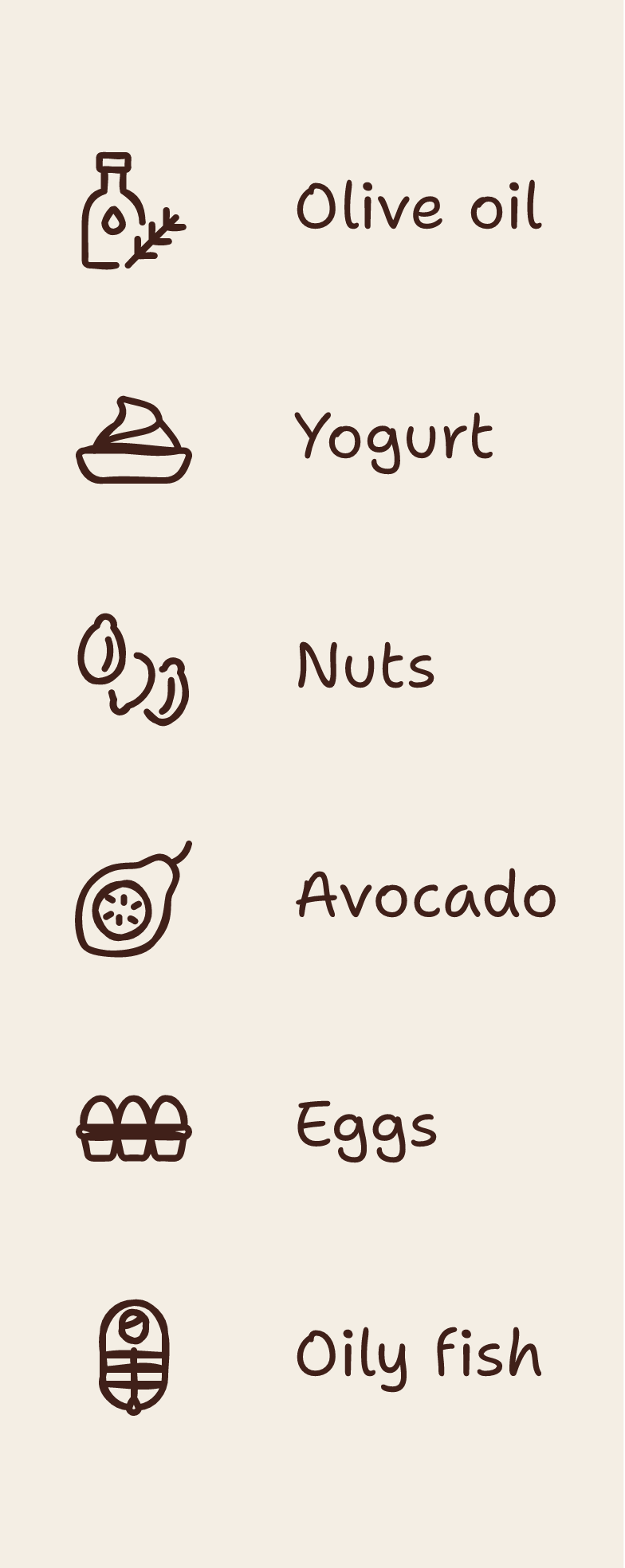
A useful CBD meal does not need to be heavy. The goal is simply to include some dietary fat. In a Mediterranean routine, that might mean olive oil on vegetables, eggs, yogurt, avocado, nuts, tahini, cheese, oily fish, or a small meal cooked with quality fats. For people comparing formats, the same food-effect logic helps explain why CBD edibles and oils may feel different even when the label shows a similar cannabinoid amount.
It is also worth separating absorption from comfort. Some people prefer CBD oil after food because it feels gentler on the stomach. Others like a morning routine with a small snack because it is easier to remember. If your goal is sleep, evening food choices can matter because a late heavy meal may affect rest on its own. If your goal is daytime calm, a consistent breakfast or lunch pairing makes tracking easier.
Try not to make the routine extreme. You do not need a very fatty meal every time. Since high-fat meals can substantially increase exposure, the sensible approach is to choose a moderate, repeatable meal pattern and stay with it for several days before judging results.
Timing CBD Around Meals
There are two common ways adults use CBD oil. Some place it under the tongue for a short period before swallowing. Others simply swallow it with food or drink. Sublingual use may allow some absorption through the mouth, while swallowed CBD follows the digestive route. Consumer medical summaries often describe tincture onset as faster when held under the tongue, while swallowed products may take longer as Medical News Today explains.
A practical timing rule is simple: for absorption consistency, take CBD during or shortly after a meal; for sublingual use, hold the oil as directed by the product, then wait a short while before eating if that fits your routine. Avoid judging the effect after only 15 minutes, especially if you swallowed the oil. Oral products can take 45 minutes to two hours for noticeable effects, and peak effects may arrive later.
The biggest mistake is impatient redosing. If CBD seems subtle, many people add more too soon, then later discover the combined effect was stronger than expected. This is where a dose log helps: time, meal type, amount, product, and how you felt after one, two, and four hours.
💡 Pro Tip
Use the same meal window for one week before changing dose. Consistency makes your own response easier to understand.
Dose Consistency Matters More Than Dose Chasing
Because food can increase CBD exposure, dose comparisons only make sense when the context is similar. A 10 mg serving on an empty stomach is not necessarily equivalent to 10 mg after a meal with olive oil and nuts. This does not make CBD dangerous by default, but it does make casual experimentation less reliable. Start low, stay consistent, and change one variable at a time.
Adults who already use CBD dosage guides should treat food timing as part of the dose. If a product feels too strong after dinner, do not assume the bottle changed; the meal may have changed absorption. If a product feels weak on an empty stomach, increasing the dose may not be the first move. Trying the same serving with a consistent snack may give cleaner information.
For product formats, oils are flexible because the amount can often be adjusted drop by drop. Capsules and gummies are convenient but less adjustable. Vapes act differently again because inhaled cannabinoids avoid first-pass digestion, which is why product education pages often compare onset and duration by route. For wellness routines, flexibility plus patience usually beats aggressive dosing.
Medication and Safety Checks Before Daily Use
The most important safety issue is medication interaction. The FDA warns that CBD can interact with medicines and can affect liver enzymes. The Merck Manual notes CBD metabolism and interaction concerns, including pathways used by other drugs. This matters for anticoagulants, antiseizure medicines, sedatives, some antidepressants, immunosuppressants, and other prescriptions where blood levels matter.
Sedation is another practical concern. FDA labeling for prescription cannabidiol warns about somnolence and sedation, and says alcohol or other central nervous system depressants can increase that risk in the Epidiolex prescribing information. If CBD makes you sleepy, do not drive or operate equipment until you know your response. Be especially careful when combining CBD with alcohol, sleep aids, benzodiazepines, opioids, or other sedating substances.
The same caution applies to people monitoring cardiovascular response. If you track blood pressure or use related medicines, read more on CBD blood pressure safety and speak with a clinician before changing routines. Wellness products can feel casual, but the body does not treat every natural compound as automatically neutral.
📝 Important Note
If a medicine label warns against grapefruit, ask a pharmacist before using CBD. The issue is not grapefruit itself; it is shared liver-enzyme pathways.
CBD Oil With Food in Greece
Adults buying CBD in Greece should separate three topics: wellness use, medical cannabis, and industrial hemp rules. EU hemp cultivation support is tied to certified varieties with THC not exceeding 0.3% under European Commission hemp guidance, while national product rules can add their own restrictions. The European Union Drugs Agency explains that cannabis-derived product rules vary across Europe.
For shoppers, this means responsible sourcing matters. Choose products with clear labeling, cannabinoid information, and a store willing to answer questions. A good retailer should never pressure you to use more than you are comfortable with. If legality is your main concern, start with a current CBD legality guide for Greece and avoid products that make unclear claims.
Product type matters too. CBD oils are popular because they fit everyday routines, but people switching from flower or vapes may need to adjust expectations. Oils usually feel slower and steadier. That is a feature for many wellness users, not a flaw. For a broader buying perspective, see why Greek consumers are moving toward CBD oil in Greece as a more controlled option.
A Simple Seven-Day CBD Food Routine
Use this as a conservative routine, not medical instruction. Pick one product, one serving size, and one meal window. For example, take the same CBD oil amount after breakfast for seven days. Keep the meal similar: yogurt and nuts, eggs with olive oil, or another repeatable choice. Record sleep, stress, discomfort, alertness, and any unwanted effects.
Do not change dose, meal type, caffeine, alcohol, and timing all at once. If you adjust anything, change one factor and observe for several days. This is especially important when using stronger products or combining CBD with supplements. Harvard Health has also urged caution around CBD and other medications because interaction risks can be easy to underestimate in its medication-safety overview.
After a week, review the notes. If the effect is useful and tolerable, keep the routine stable. If it is too strong, reduce the serving or take it with a lighter meal. If there is no noticeable benefit, check product quality, timing, and expectations before assuming more is better. In CBD wellness, boring consistency is usually the smart path.
⚠️ Disclaimer
This article is for informational purposes only and does not constitute medical advice. The information provided about medical cannabis and CBD in Greece is current as of August 2026 but may change. Always consult qualified healthcare professionals for medical advice and treatment options. For our full disclaimer, visit cannastoreams.gr/disclaimer.
Frequently Asked Questions
Should I take CBD oil before or after food?
For consistency, many adults take CBD oil during or shortly after a meal. A meal with moderate healthy fat may improve absorption compared with taking it fasted.
Does fatty food make CBD stronger?
It can increase CBD exposure. That may make the same serving feel stronger or last longer, so avoid sudden dose increases when changing meal timing.
How long should I wait before taking more?
Wait at least two hours for swallowed CBD oil, and longer if you are new to the product. Effects can build slowly, especially with food.
Can I take CBD oil with coffee?
You can, but coffee alone is not the same as a meal. If absorption consistency is your goal, pair CBD with a repeatable breakfast or snack.
Who should ask a doctor before using CBD?
Anyone pregnant, breastfeeding, managing liver disease, using prescription medication, or combining CBD with alcohol or sedatives should ask a clinician first.
